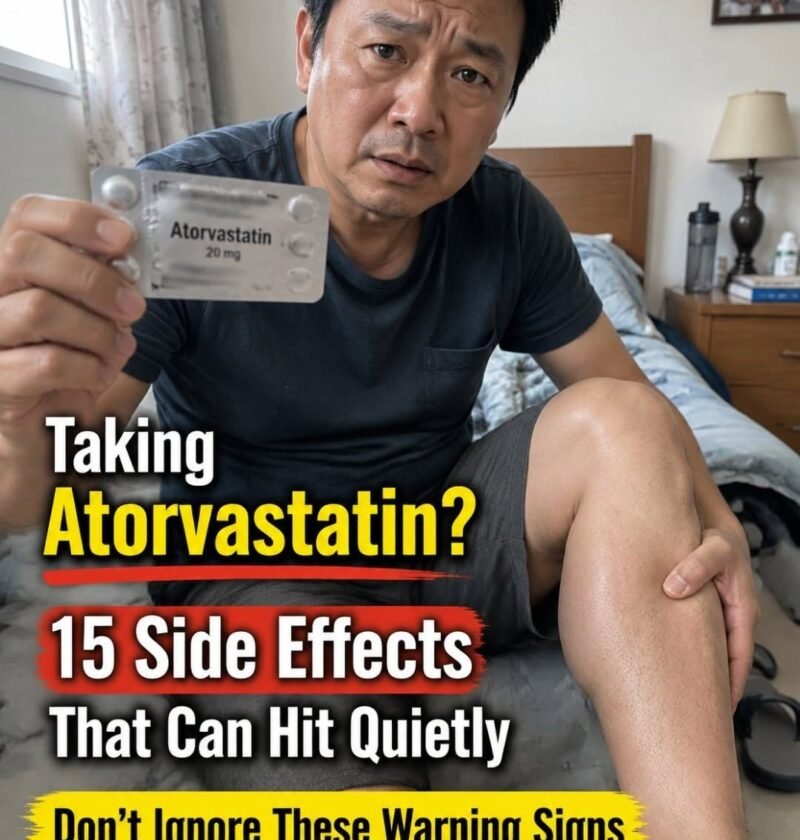
That terrifying headline—“Taking Atorvastatin? Could These 15 Subtle Side Effects Be Affecting You?”—is a classic fear-mongering listicle. It preys on anyone taking statins for high cholesterol, turning normal everyday aches, fatigue, or stress into terrifying signs of impending health doom.
Atorvastatin (commonly known by its brand name Lipitor) is one of the most thoroughly researched, life-saving medications in modern medicine, prescribed to lower LDL (“bad”) cholesterol and drastically reduce the risk of heart attacks and strokes. While it does have documented side effects—like any medication—framing it as a hidden trap creates needless panic.
Here is the medical and scientific reality behind statin side effects, separating rare clinical realities from internet exaggeration.
Where the Statin Scare Industry Comes From
Articles promising a massive list of “subtle hidden side effects” usually rely on a phenomenon known as the nocebo effect. Because people go into taking a statin expecting it to ruin their bodies, normal everyday occurrences—like waking up with a sore shoulder after gardening or feeling tired after a long workday—are instantly blamed on the pill.
In clinical trials where patients didn’t know whether they were taking a statin or a sugar pill (placebo), muscle aches were reported at almost identical rates in both groups!
The Real, Documented Side Effects of Atorvastatin
While severe complications are rare, doctors monitor patients for specific, well-understood issues:
-
Mild Muscle Aches (Myalgia):
-
The Reality: This is the most common reason people stop taking statins. Some patients experience mild muscle soreness, stiffness, or weakness.
-
What to Know: While usually harmless, persistent muscle pain paired with severe tenderness should always be reported to your doctor to check creatine kinase (CK) levels.
-
-
Liver Enzyme Elevations:
-
The Reality: Statins work in the liver to block cholesterol production. In a small percentage of patients, this causes a mild, temporary rise in liver enzymes.
-
What to Know: Routine blood tests are standard practice to monitor liver function safely when starting statin therapy. True, severe liver damage is exceedingly rare.
-
-
Mild Increases in Blood Sugar:
-
The Reality: Statins can cause a very slight upward nudge in HbA1c (blood sugar) levels.
-
What to Know: For the vast majority of patients, the cardiovascular benefits of preventing a heart attack massively outweigh the minor risk of developing type 2 diabetes—and lifestyle changes like diet and exercise easily offset this risk.
-
Rare and Serious Risks (What Doctors Watch For)
True dangerous reactions to atorvastatin are statistically rare, but they do require immediate medical attention:
-
Rhabdomyolysis: A severe, rare condition where muscle tissue breaks down rapidly, releasing proteins into the blood that can harm the kidneys. It typically presents with extreme, debilitating muscle pain, dark urine, and profound weakness.
-
Severe Drug Interactions: Atorvastatin is processed by liver enzymes (specifically CYP3A4). Combining it with certain other drugs (like specific antifungals, macrolide antibiotics, or high doses of grapefruit juice) can artificially raise statin levels in your blood, increasing the risk of muscle side effects.
The Golden Rule: Talk to Your Doctor, Don’t Stop Cold
Heart disease remains a leading cause of mortality worldwide, and statins are proven workhorses in preventing cardiovascular events. If you are taking atorvastatin and feel like something is “off,” never stop taking your medication based on a viral internet list.
Instead, speak with your prescribing physician. Often, adjusting the dosage, switching to a different type of statin, or modifying your schedule can resolve minor side effects completely while keeping your heart protected.