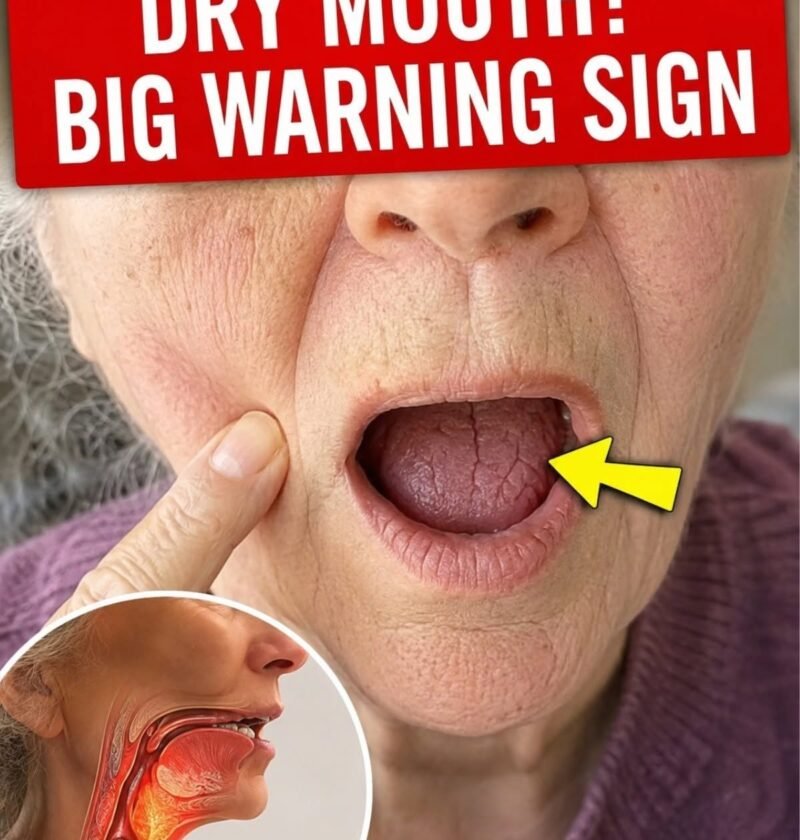
That dramatic headline—“Dry Mouth Is Not Aging — It’s Your Saliva Shutting Down”—is designed to spark immediate panic, framing a common physical nuisance as a sudden, catastrophic system failure.
While chronic dry mouth (medically known as xerostomia) is certainly uncomfortable and shouldn’t be ignored, attributing it entirely to “saliva shutting down” misses the actual medical and physiological reality. Saliva doesn’t just randomly stop working; rather, reduced saliva production is usually a side effect of specific medications, lifestyle habits, or underlying health factors.
Here is the scientific reality behind dry mouth, what your body is actually telling you, and why it matters.
Why Saliva Production Slows Down
Saliva is essential: it lubricates your mouth, kickstarts digestion, neutralizes acids, and protects your tooth enamel from decay. When your mouth feels like a desert, it’s usually driven by one of these common factors:
-
Medication Side Effects (The #1 Culprit): Over 500 commonly prescribed and over-the-counter medications interfere with the nervous system signals that tell your salivary glands to produce spit. This includes blood pressure meds, antihistamines, antidepressants, diuretics, and decongestants.
-
Dehydration and Breathing Habits: Not drinking enough fluids directly reduces overall body secretions. Additionally, chronic mouth-breathing (especially overnight due to a stuffy nose or sleep apnea) rapidly evaporates the saliva in your mouth.
-
Systemic Health Conditions: Autoimmune conditions like Sjögren’s syndrome (where the immune system attacks moisture-producing glands), diabetes, or nerve damage affecting the head and neck can impair salivary gland function.
-
Natural Aging Nuances: While dry mouth is not an inevitable, untreatable part of getting older, older adults are more prone to it simply because they are more likely to take multiple medications that list dry mouth as a side effect.
Why Chronic Dry Mouth Actually Matters
While the clickbait focuses on fear, dentists and doctors care about dry mouth for a very practical reason: saliva is your mouth’s natural defense shield. Without a steady flow of saliva:
-
Tooth Decay Spreads Rapidly: Saliva washes away food particles and neutralizes plaque acids. Without it, cavities can form aggressively—especially along the gumline.
-
Oral Infections Rise: A dry environment allows fungi (like oral thrush) and bacteria to thrive, leading to sore throats, cracked lips, and difficulty swallowing or speaking.
Evidence-Based Ways to Manage Dry Mouth
If you are dealing with persistent dry mouth, you don’t need a miracle cure; you need practical management:
-
Review Your Medications: If a prescription drug is drying you out, talk to your doctor or pharmacist. They can often adjust the dosage, change the timing, or switch you to an alternative medication with a lower anticholinergic drying effect.
-
Stimulate Saliva Naturally: Chew sugar-free gum or suck on sugar-free hard candies (especially those containing Xylitol) to mechanically stimulate your salivary glands.
-
Hydrate and Humidify: Sip water frequently throughout the day and use a bedside cool-mist humidifier if you wake up with a parched mouth from mouth-breathing.
-
Prioritize Rigorous Dental Hygiene: Because your natural defense is lowered, meticulous brushing, daily flossing, and using a fluoride mouthwash are critical to prevent rapid tooth decay.
The Bottom Line
Dry mouth is a signal, not a mysterious disease or an irreversible sign of total salivary collapse. Whether it’s a side effect of your morning allergy pill or a medication adjustment, identifying the root cause with your healthcare provider or dentist is the safest way to bring moisture back.