Emergency Warning Signs (Seek Immediate Care)
-
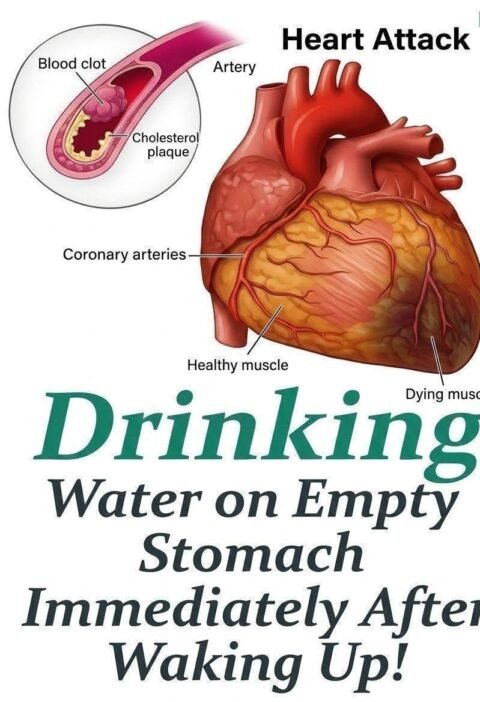
Chest pressure, fullness, squeezing, or pain: Discomfort in the center or left side of the chest that lasts more than a few minutes, goes away and comes back, or feels like heavy pressure or indigestion.
-
Pain radiating beyond the chest: Aching, tightness, or discomfort spreading to one or both arms, the back, neck, jaw, or upper stomach.
-
Sudden shortness of breath: Trouble breathing or feeling winded with little or no exertion, with or without chest discomfort.
-
Cold sweats, nausea, lightheadedness, or fainting: Breaking out in a cold sweat, feeling sick to your stomach, dizziness, or passing out.
Gradual Signs That Warrant a Medical Checkup
-
Shortness of breath when lying flat or walking: Needing extra pillows to breathe comfortably at night, waking up gasping, or tiring easily on familiar walks or stairs.
-
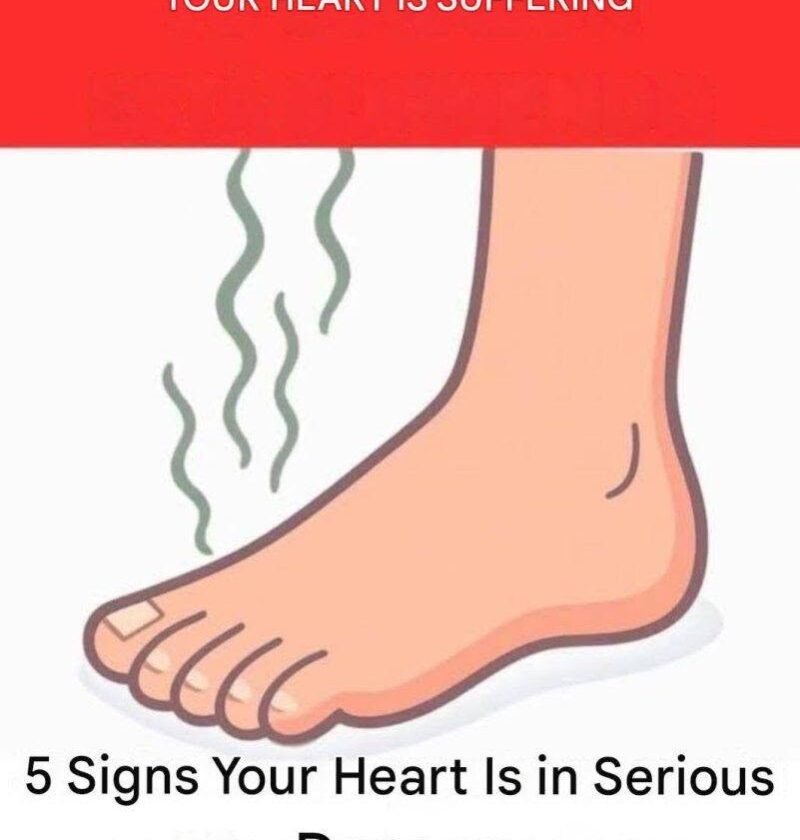
Swelling in the feet, ankles, lower legs, or abdomen: Fluid buildup—often worse by evening—that can signal reduced pumping efficiency or vein/kidney issues.
-
Racing, fluttering, or skipped heartbeats: Frequent , especially if paired with dizziness or chest tightness.
-
Unexplained fatigue or leg pain during exertion: Persistent exhaustion or cramping in the calves while walking that eases with rest.