Common Summer Causes of White Spots
| Condition | What It Looks Like | Why Summer Triggers It |
| Tinea Versicolor (Pityriasis Versicolor) | Small, round or oval light (sometimes tan, pink, or slightly scaly) spots on the chest, back, neck, or upper arms; spots may merge into larger patches. | Normal Malassezia yeast on the skin thrives in warm, humid, sweaty conditions and produces acids that temporarily lighten skin pigment. Surrounding skin tanning makes the spots stand out more. |
| Pityriasis Alba | Soft, poorly defined, slightly dry or scaly pale patches often on the cheeks, jaw, or arms (common in children and teens, especially with dry skin or eczema). | Sun exposure tans the surrounding skin while mild inflammation leaves underlying patches lighter and more noticeable. |
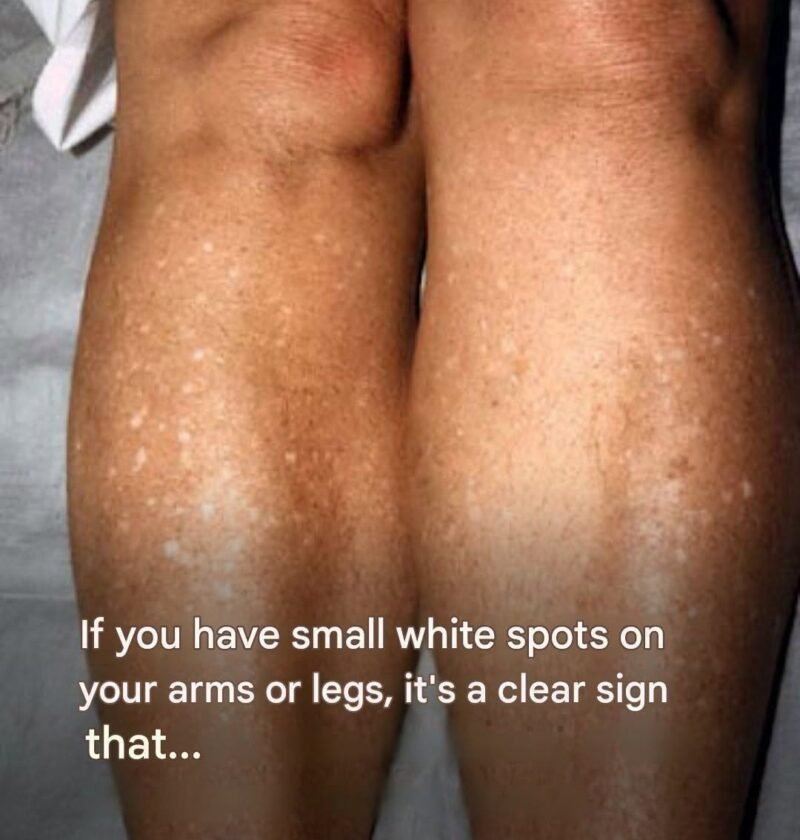
| Idiopathic Guttate Hypomelanosis (IGH) | Tiny (often 2–5 mm), flat, sharp, bright-white “confetti-like” spots on sun-exposed shins, forearms, and shoulders. | Cumulative lifetime sun exposure gradually reduces pigment-producing cells (melanocytes) in small spots; summer sun makes the contrast obvious. |
| Post-Inflammatory Hypopigmentation | Pale marks left where a rash, bug bite, acne breakout, or minor burn recently healed. | Healing skin temporarily makes less melanin, and UV exposure darkens the surrounding skin around the healed spot. |
| Vitiligo | Smooth, milk-white patches with distinct borders (often around the mouth, eyes, fingers, joints, or body folds) that are not scaly. | An autoimmune process destroys melanocytes; spots can become more noticeable or sensitive in bright summer sun. |
How Dermatologists Approach Treatment
-
For Tinea Versicolor: Over-the-counter antifungal washes or creams (such as ketoconazole, selenium sulfide, or clotrimazole) are commonly used on the affected areas, sometimes left on for several minutes before rinsing as directed on the label or by a doctor. Prescription topical or oral antifungals may be used for stubborn or widespread cases. Note that clearing the yeast stops the spread quickly, while skin color often takes several weeks to months to gradually blend back in.
-
For Pityriasis Alba: Focus on gentle skin barrier repair and sun protection—regular bland moisturizers/ointments, mild cleansers, and broad-spectrum sunscreen. A doctor may occasionally prescribe a short course of a mild topical anti-inflammatory if there is active redness or irritation.
-
For Idiopathic Guttate Hypomelanosis (IGH): These spots are harmless and typically do not need treatment. Daily broad-spectrum sunscreen helps prevent new spots and keeps surrounding skin from tanning further around existing ones; dermatologists can sometimes discuss targeted in-office options if cosmetic improvement is desired.
-
For Post-Inflammatory Hypopigmentation: Treating the underlying rash or breakout gently and protecting the area from UV light usually allows pigment to return gradually over weeks to months.
-
For Vitiligo: A dermatologist evaluates the pattern and may recommend prescription topical anti-inflammatory/immunomodulatory treatments or light therapy (such as narrowband UVB) to encourage repigmentation, alongside strict sun protection to prevent sunburn on depigmented skin.
Practical Summer Habits & When to Get Checked
-
Wear broad-spectrum sunscreen (SPF 30+) daily on exposed skin to reduce contrast between normal skin and lighter patches and to protect sensitive areas from sunburn.
-
Shower and change out of sweaty clothes promptly after heat exposure or workouts if you are prone to sweat-triggered yeast overgrowth, and choose breathable fabrics.
-
Avoid harsh scrubbing or bleaching products, which can irritate the skin barrier and worsen pigment changes.