When your heart is struggling or overworked, it rarely starts with a dramatic cinematic collapse. Instead, cardiovascular distress often communicates through subtle, easy-to-dismiss physiological warnings.
Here are key signs that your heart may need attention, ranging from subtle everyday red flags to urgent medical symptoms:
1. Subtle, Unexplained Fatigue
If you find yourself utterly exhausted by routine tasks—such as carrying groceries, making the bed, or walking up a single flight of stairs—it can indicate that your heart muscle is struggling to pump oxygen-rich blood efficiently through your body.
2. Atypical Aches and Discomfort
Heart distress doesn’t always hurt in the chest. Pain or a dull, heavy pressure can radiate to unexpected parts of the upper body:
-
The jaw, throat, or neck (often feeling like unusual muscle tightness).
-
One or both arms and shoulders (experiencing a dull ache, heaviness, or numbness rather than sharp pain).
-
The upper back (frequently mistaken for a muscle knot or poor posture).
3. Shortness of Breath with Minimal Exertion
If you feel winded or find yourself gasping for air after minimal physical effort—or when lying flat on your back at night—it means fluid or circulation is backing up because the heart isn’t pumping effectively.
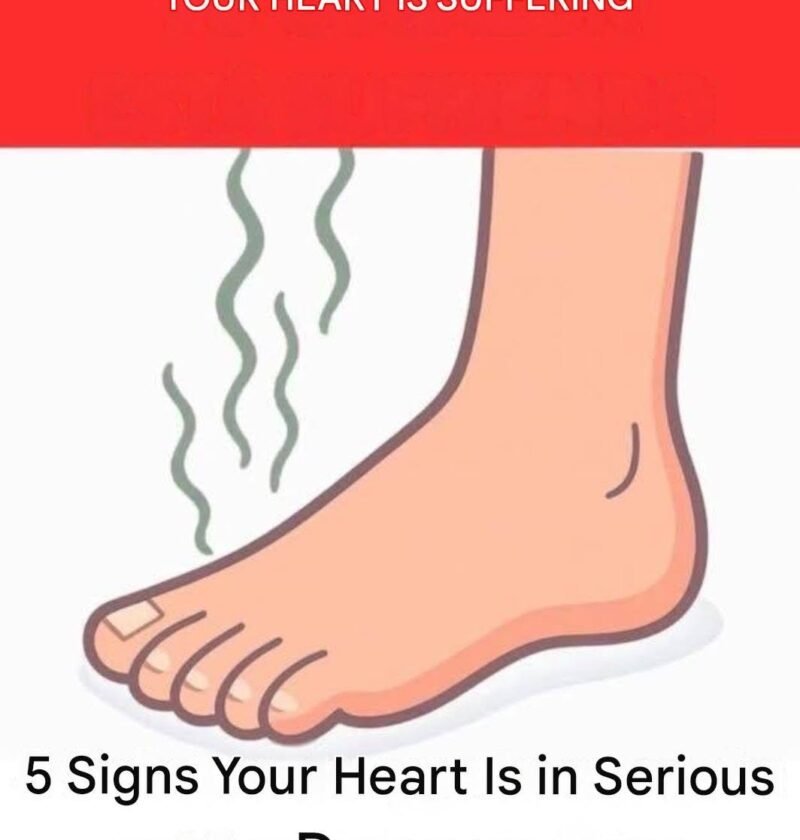
4. Swelling in the Lower Extremities (Edema)
When the heart’s pumping efficiency drops, blood flow slows down, causing fluid to pool in the lower parts of the body. Noticeable swelling in your ankles, feet, or lower legs—especially if your socks leave deep, indented rings—is a classic sign of fluid retention linked to cardiovascular strain.
5. Dizziness, Lightheadedness, or Fainting
A sudden wave of wooziness or feeling like you might black out happens when the heart fails to maintain a steady, adequate blood pressure supply to the brain.
6. Irregular or Racing Heartbeats (Palpitations)
While occasional skipped beats are common and often harmless (often triggered by stress, caffeine, or fatigue), a heart that frequently races, flutters, or pounds violently for no apparent reason warrants a professional evaluation to check for arrhythmias.
When to Seek Emergency Care
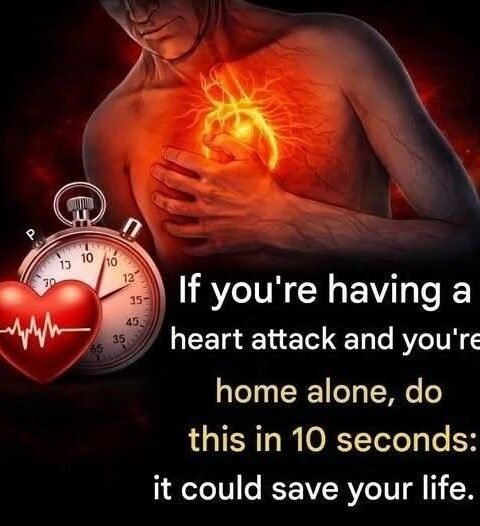
While subtle signs develop over days or weeks, acute symptoms like sudden, crushing chest pressure, a cold sweat, severe nausea, and acute shortness of breath require immediate emergency medical attention (calling 911 or your local emergency number).