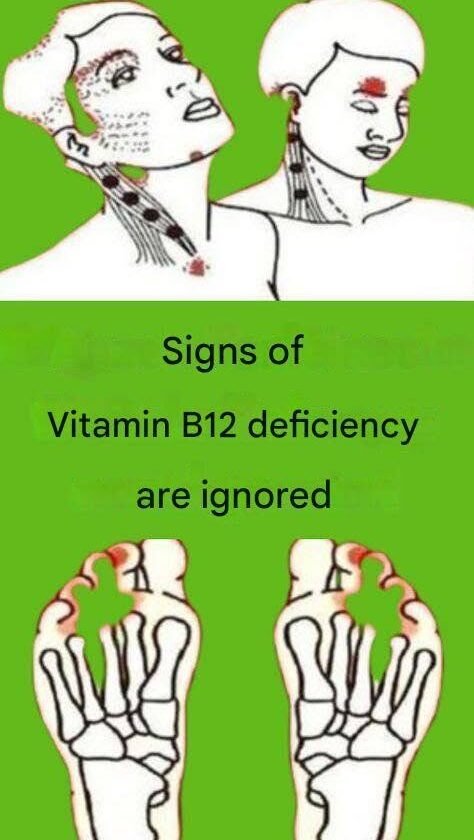
Yes—vitamin B12 deficiency can develop gradually, so its symptoms are sometimes mistaken for normal aging, stress, or tiredness. If you’re referring to the phrase “signs of B12 deficiency are ignored,” these are some important ones:
Common signs
-
Persistent tiredness or weakness
-
Pale or yellowish skin
-
Shortness of breath or a racing heartbeat, particularly with exertion
-
Tingling, numbness, or “pins and needles” in the hands or feet
-
Balance or walking problems
-
Muscle weakness
-
A sore, red, or unusually smooth tongue
-
Mouth ulcers
-
Changes in memory or concentration
-
Mood changes, including irritability or depression
-
Vision problems in some cases
-
Loss of appetite or unexplained weight loss
Why it matters
Untreated B12 deficiency can cause nerve damage, and some neurological effects can become permanent if treatment is delayed. It can also cause anemia.
People at increased risk include some older adults, people with certain gastrointestinal conditions or surgeries, and those taking certain medications or following diets low in animal-derived foods.
If you have several of these symptoms, a clinician can check vitamin B12 and blood counts and investigate the underlying cause. Don’t assume that taking a large dose of B12 is the answer, because the appropriate treatment depends on why you’re deficient.