Clickbait headlines warning about the consequences of “sleeping with…” usually target common nighttime habits—such as sleeping with a fan running, sleeping with pets in the bed, leaving a television on, or sleeping with makeup or contact lenses in.
While these dramatic warnings are designed to spark curiosity, looking at what actually happens physiologically reveals a mix of genuine comfort benefits and hidden health trade-offs.
1. Sleeping With a Fan On
-
The Pros: A steady, cool breeze helps lower your core body temperature, which is a key biological trigger for deep sleep. It also provides white noise that blocks out disruptive background sounds.
-
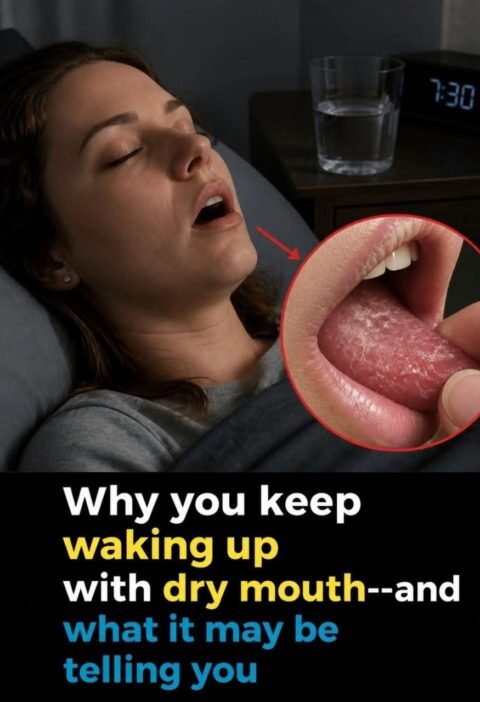
The Cons: The constant airflow can dry out your nasal passages, throat, and eyes, which can trigger morning congestion, dry mouth, or worsen allergy symptoms by circulating dust mites and pet dander around the room.
2. Sleeping With Pets in the Bed
-
The Pros: For many people, the rhythmic breathing and physical warmth of a dog or cat provide a profound sense of psychological security, lowering stress hormones and helping them fall asleep faster.
-
The Cons: Pets move, snore, and shift throughout the night, causing frequent micro-awakenings that fragment your sleep cycles without you fully realizing it. They can also introduce allergens, pet hair, and microscopic parasites into your bedding.
3. Sleeping With the Television or Screen On
-
The Pros: For those who struggle with racing thoughts or anxiety, background audio or a familiar show can act as an artificial distraction that lulls them into initial drowsiness.
-
The Cons: The flickering blue light suppresses natural melatonin production, keeping your brain trapped in lighter stages of sleep. Even with your eyes closed, the changing light and audio spikes prevent your nervous system from achieving truly restorative deep and REM sleep.
4. Sleeping With Makeup On
-
The Pros: None—it is universally discouraged by dermatologists.
-
The Cons: Makeup traps oil, dirt, and environmental pollutants against your skin all night, clogging pores, accelerating breakouts, and dramatically increasing the risk of eye irritation, styes, or corneal scratches from old mascara flakes.
5. Sleeping With Contact Lenses In
-
The Pros: None, unless you are wearing specialized overnight orthokeratology lenses prescribed by an optometrist.
-
The Cons: Leaving standard contacts in while sleeping starves your cornea of vital oxygen. This creates a breeding ground for bacteria, multiplying your risk of severe corneal ulcers and painful eye infections exponentially.
🛌 The Takeaway: While small luxuries like a bedside fan or a cuddling pet can make bedtime comforting, being mindful of how these habits affect your air quality, skin, and sleep architecture can make a profound difference in how refreshed you feel every morning.