“Pharmacist Issues Warning to Anyone Who Takes Vitamin D” — What’s the Real Risk?
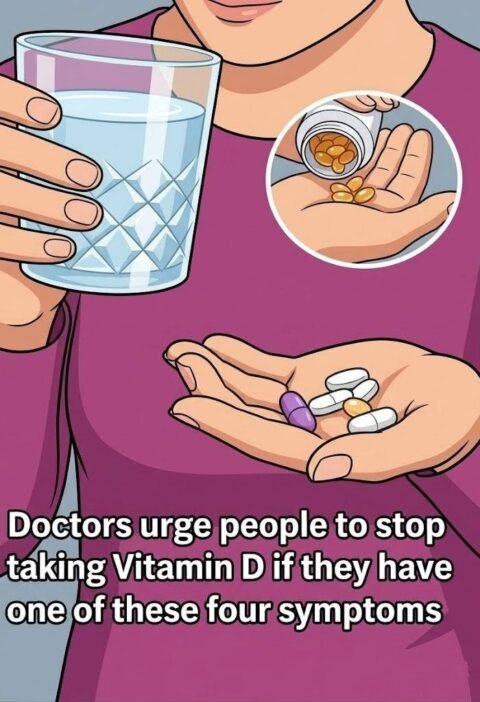
This headline is too broad. Vitamin D is an essential nutrient, and taking an appropriate amount is generally safe. The main concern is excessive supplementation, not ordinary vitamin D use. (Office of Dietary Supplements)
⚠️ Too much vitamin D can be dangerous
Excess vitamin D can raise calcium levels excessively (hypercalcemia), potentially causing:
- Nausea or vomiting
- Poor appetite
- Muscle weakness
- Confusion
- Excessive thirst
- Frequent urination
- Dehydration
- Kidney stones
Severe toxicity can cause kidney failure or abnormal heart rhythms. (Office of Dietary Supplements)
For adults, the usual tolerable upper intake level is 4,000 IU (100 mcg) per day from all sources, although doctors may prescribe higher doses temporarily to treat a documented deficiency. (Office of Dietary Supplements)
💊 Vitamin D can interact with some medicines
Important examples include:
- Thiazide diuretics — vitamin D can contribute to excessively high calcium levels.
- Orlistat — can reduce vitamin D absorption.
- Steroids such as prednisone — can reduce vitamin D levels.
- Some statins — high-dose vitamin D may potentially affect the effectiveness of certain statins, including atorvastatin, lovastatin and simvastatin. (Office of Dietary Supplements)
If you take prescription medicines, tell your doctor or pharmacist about your vitamin D supplements rather than assuming they’re harmless. (U.S. Food and Drug Administration)
Should you stop vitamin D?
No—not simply because of this headline. Don’t discontinue a prescribed supplement without discussing it with your healthcare professional.
If you’re taking a high dose and develop persistent vomiting, extreme thirst, frequent urination, weakness or confusion, contact a healthcare professional promptly.
Bottom line: Vitamin D isn’t something everyone needs to fear. The real warning is unnecessarily high doses and potential medication interactions. The dose and your medical circumstances matter.