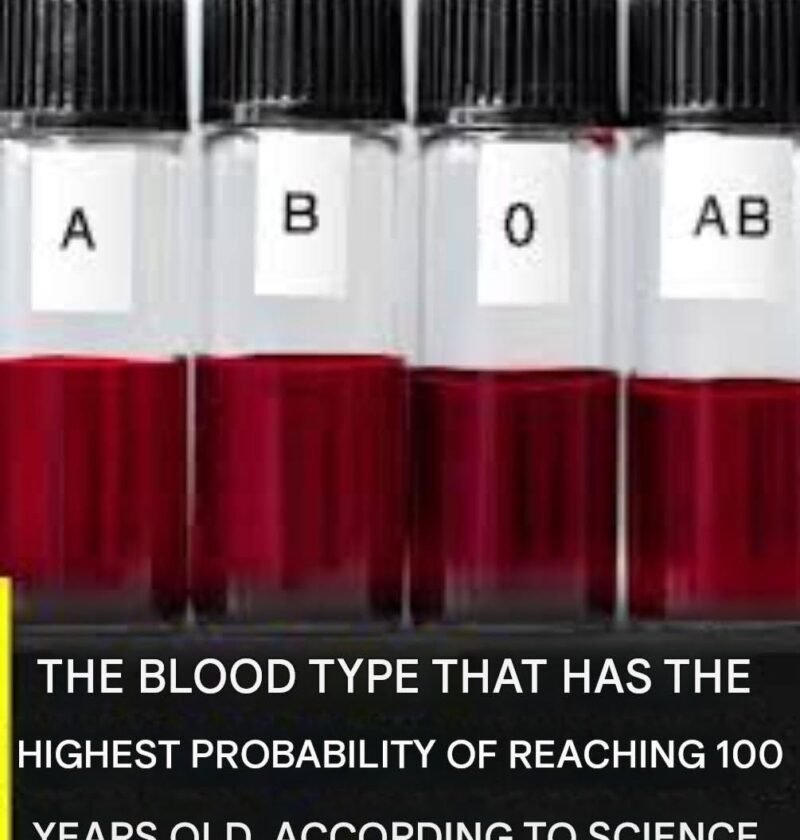
If you’re referring to the viral claim that one blood type makes you more likely to live to 100, the answer is more complicated.
-
An older Japanese study of 269 centenarians found that blood type B was somewhat more common among people who reached 100 than among controls. The authors suggested a possible association with exceptional longevity. PubMed
-
However, this finding has not held up consistently. A U.S. study found no longevity advantage for B; in that population, B blood type actually became less common with increasing age. PubMed
-
A much larger study involving 2,201 Chinese centenarians found no statistically significant association between A, B, AB, or O blood groups and longevity. A meta-analysis in that study likewise found no significant association. PubMed+1
-
A 2025 study of people aged 85+ also found no significant difference in ABO/Rh blood-group distribution that would indicate an effect on longevity. PubMed
-
A recent review concludes that blood type may influence certain age-related disease risks, but is unlikely to be an independent predictor of how long someone lives. PubMed
Bottom line: The claim that blood type B is the “blood type of people who live to 100” is based on an interesting early finding, but it isn’t established science. Lifestyle, genetics, environment, socioeconomic factors, and prevention/treatment of chronic disease have much stronger evidence for influencing longevity.