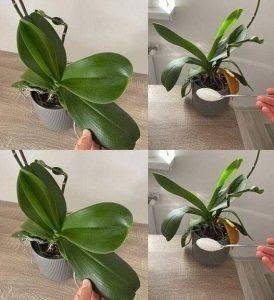
That “just 1 tablespoon and orchids will bloom non-stop” claim is typical gardening clickbait. There isn’t a magic one-tablespoon fertilizer that makes orchids flower continuously.
🌸 What actually helps orchids bloom
- Bright, indirect light: Usually the biggest factor. Insufficient light is a common reason an otherwise healthy orchid doesn’t flower.
- Appropriate fertilizer: Use a fertilizer formulated for orchids or a balanced, water-soluble houseplant fertilizer, following the label’s dilution instructions. More fertilizer isn’t better.
- Proper watering: Water thoroughly, then allow the growing medium to drain. Don’t leave the orchid sitting in water.
- Good airflow and drainage: Orchids need air around their roots; don’t use dense garden soil for typical epiphytic orchids such as Phalaenopsis.
- Temperature changes: Many orchids benefit from a modest difference between daytime and nighttime temperatures to encourage flowering.
- Patience after flowering: Orchids naturally have periods between blooms. “Non-stop” flowering isn’t a realistic expectation.
⚠️ Be careful with homemade recipes
If the “1 tablespoon” is sugar, rice water, coffee, baking soda, vinegar, milk, or another kitchen ingredient, don’t assume it’s fertilizer. Such mixtures can encourage mold, attract pests, alter the growing medium’s chemistry, or damage roots.
If you tell me what the recipe says the one tablespoon should be, I can tell you whether it is useful for orchids, harmless but unnecessary, or potentially damaging.