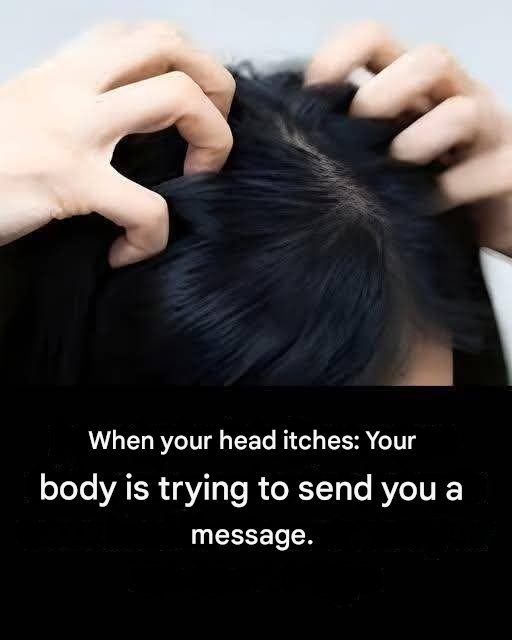
An itchy scalp is common and can have several causes. It doesn’t necessarily mean poor hygiene, and the right treatment depends on what’s causing it.
Common causes of an itchy scalp
- Dandruff / seborrheic dermatitis: Often causes itching with white or yellowish flakes and sometimes oily, irritated skin.
- Dry scalp: More likely when the skin is dry, especially with cold weather, frequent washing, or harsh shampoos.
- Contact dermatitis: Hair dye, shampoo, conditioner, fragrances, oils, or styling products can trigger an itchy or burning rash.
- Psoriasis: Can produce thick, well-defined patches with silvery scales that may extend beyond the hairline.
- Fungal infection (tinea capitis): More common in children and can cause scaling, broken hairs, patches of hair loss, or swollen areas.
- Head lice: Usually causes intense itching, especially around the ears and back of the neck. Nits are attached firmly to individual hairs.
- Folliculitis: Inflamed or infected hair follicles can produce itchy or tender bumps.
- Eczema: May cause dry, inflamed, itchy patches.
What you can try
For ordinary dandruff, an anti-dandruff shampoo containing an ingredient such as ketoconazole, selenium sulfide, or zinc pyrithione may help. Follow the product directions and give it enough time to work.
If you recently started a new hair product and the itching began afterward, stopping that product may help.
Avoid aggressively scratching, which can break the skin and cause infection.
When to see a doctor
Get the scalp examined if itching is severe, persistent, associated with hair loss, painful sores, pus, significant redness/swelling, or thick plaques, or if over-the-counter dandruff treatment isn’t helping.
A particularly important clue is patchy hair loss with scaling or broken hairs, which can indicate a fungal infection and may require prescription treatment rather than ordinary dandruff shampoo.