Onions often get pigeonholed as a simple kitchen staple used just to build a flavorful base for soups, stews, and sautées, but they are nutritional powerhouses in their own right. Beyond their culinary versatility, alliums like onions have been used for centuries in traditional medicine and are heavily backed by modern science for their impressive health benefits.
Here is what makes onions much more than just a seasoning:
Key Health Benefits of Onions
-
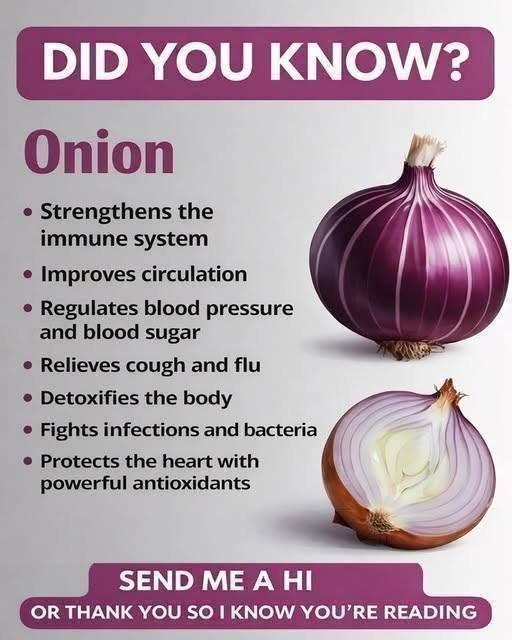
Packed with Antioxidants and Plant Compounds: Onions are loaded with polyphenols and flavonoids, which act as powerful antioxidants. In particular, they are one of the richest dietary sources of quercetin, a flavonoid known for its strong anti-inflammatory, antihistamine, and cellular-protecting properties.
-
Heart Health Support: Regularly consuming onions can benefit your cardiovascular system in multiple ways. The antioxidants and sulfur compounds found in onions help reduce inflammation, lower triglycerides, decrease cholesterol levels, and support healthy blood pressure regulation.
-
Blood Sugar Regulation: Compounds like quercetin and sulfur compounds found in onions have been shown in studies to interact with insulin and liver cells, helping to improve blood sugar control. This makes them a great dietary addition for people managing prediabetes or type 2 diabetes.
-
Gut Health and Digestion: Onions are rich in prebiotic fibers like inulin and fructooligosaccharides. These fibers aren’t digested by your body; instead, they travel to your lower gut to feed your beneficial gut bacteria, promoting a healthy, balanced microbiome.
-
Immune and Antibacterial Support: Onions contain natural antimicrobial and antibacterial properties that help fight off harmful microbes. Their rich vitamin C content also provides foundational support for a robust immune system.
Getting the Most Out of Your Onions
-
Raw vs. Cooked: Eating onions raw (such as thinly sliced in salads, salsas, or on sandwiches) preserves the highest concentration of active sulfur compounds. However, cooking them (like caramelizing or roasting) still retains plenty of beneficial antioxidants and dietary fiber.
-
Don’t Skip the Outer Layers: The highest concentration of quercetin and flavonoids is actually found in the outer layers of the flesh. When peeling onions, try to remove as little of the edible layers as possible.
Do you usually incorporate raw onions into your meals, or do you prefer them cooked down in soups and sautées?