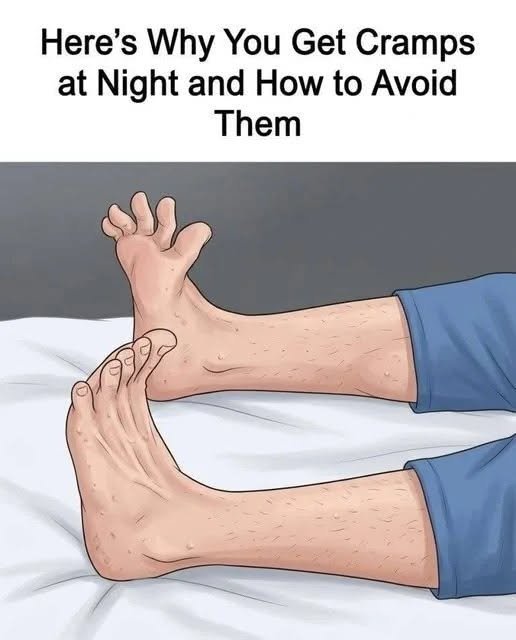
7 Common Causes of Nighttime Leg Cramps
-
Idiopathic Nerve & Tendon Factors (Including Aging): Most nighttime cramps happen without a single underlying disease. Overactive motor nerve firing and gradual tendon shortening with age make calf muscles more prone to sudden spasms during rest.
-
Muscle Fatigue or Overuse: Intense workouts, unaccustomed physical activity, or long hours standing or walking during the day can tire leg muscles and trigger cramps later that night.
-
Pregnancy: Leg cramps are common in pregnancy—especially in the later stages—due to weight shifts, circulation changes, and altered fluid or mineral balance.
-
Medications: Certain prescription and over-the-counter drugs can make leg cramps more likely, including diuretics (“water pills”), statins (cholesterol medications), calcium channel blockers (such as nifedipine or diltiazem), and certain asthma inhalers (beta-agonists).
-
Dehydration or Fluid Shifts: Low fluid intake—especially in warm weather or after sweating—can contribute to muscle irritability and cramping.
-
Circulation & Nerve Conditions: Narrowed leg arteries (peripheral artery disease), nerve conditions (peripheral neuropathy), or sitting/lying in a cramped position can reduce blood flow or alter nerve signaling to the lower legs.
-
Metabolic, Kidney, Liver, or Thyroid Issues: Conditions such as diabetes, thyroid hormone imbalances, chronic kidney disease, or liver disease can affect fluid, electrolyte, or nerve function. (Note: Although magnesium supplements are widely marketed for leg cramps, clinical trials show weak or inconsistent benefit for general nighttime cramps outside of pregnancy.)
How to Stop a Cramp and Prevent Them Naturally
When a Cramp Strikes
-
Gently stretch and lengthen the muscle: For a calf cramp, gently pull your toes toward your shin or stand up and put weight on the leg while pressing your heel down.
-
Massage and apply warmth: Gently rub the tight muscle, and use a warm towel, heating pad, or warm shower to help it relax.
-
Walk it out lightly: Taking a few slow steps once the initial spasm eases can help restore normal muscle relaxation.
Daily Habits to Reduce Recurrence
-
Stretch your calves before bed: Lean forward against a wall with both hands, keeping your back knee straight and your heel flat on the floor to feel a steady stretch in the calf. Doing gentle calf stretches in the evening—and a couple of times earlier in the day—can lower cramp frequency over a few weeks.
-
Keep bedding loose: Heavy or tucked-in blankets can push your toes downward while you sleep, shortening the calf muscle. Loosen the sheets at the foot of the bed, or sleep on your stomach with your feet hanging slightly over the edge if comfortable.
-
Stay steadily hydrated and moderate late stimulants: Sip water consistently through the day rather than chugging a large amount right before sleep, and limit heavy alcohol or late-evening caffeine intake.