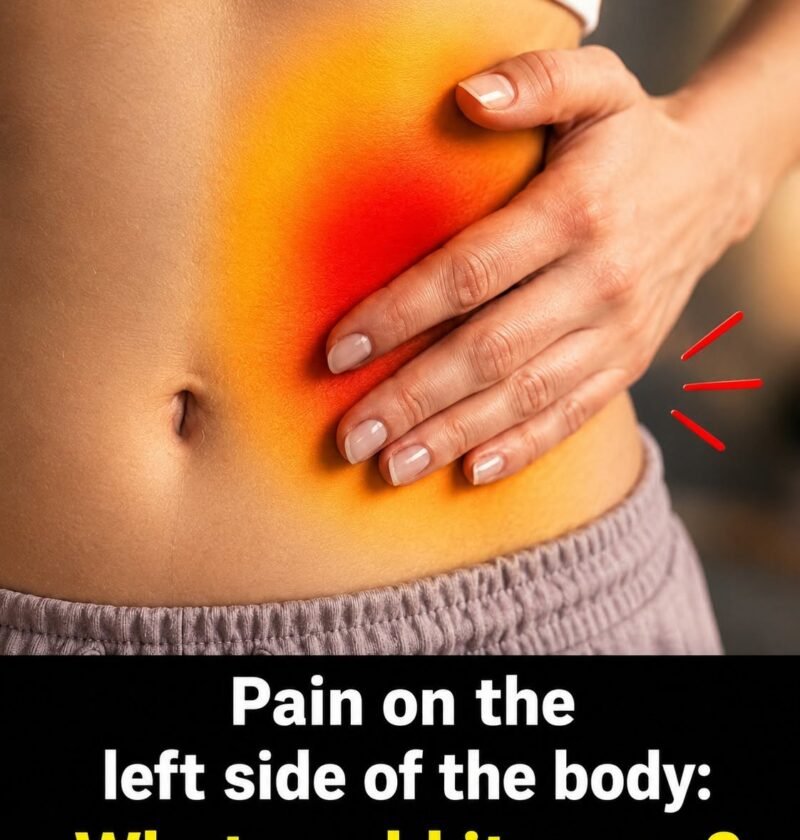
Pain on the left side of the body can stem from a wide variety of sources, ranging from minor, everyday muscle strains to conditions that require immediate medical evaluation. Because the left side of the body houses vital organs like the heart, spleen, and parts of the pancreas and colon, it is important to understand what might be causing the discomfort and when to seek urgent care.
Here is a breakdown of what left-sided pain can mean and the red flags that require immediate attention.
—
## Potential Causes by Location
### 1. Left-Sided Chest Pain
Chest pain is the symptom most people worry about, and for good reason. However, not all chest pain originates from the heart.
* **Cardiac Causes:** Angina (reduced blood flow to the heart muscle) or a **heart attack** (myocardial infarction). This is often described as a pressure, tightness, squeezing, or aching in the center or left side of the chest.
* **Gastrointestinal Causes:** **Acid reflux (GERD)** or esophageal spasms can mimic the burning sensation of heart trouble.
* **Musculoskeletal Causes:** Costochondritis (inflammation of the cartilage connecting your ribs to your breastbone) or a strained chest wall muscle from heavy lifting or twisting.
* **Respiratory Causes:** Pleurisy (inflammation of the lining around the lungs) or a collapsed lung (pneumothorax).
### 2. Left Upper Abdominal and Flank Pain
The upper left quadrant and flank contain organs such as the stomach, spleen, left kidney, and part of the pancreas and colon.
* **Spleen Issues:** An enlarged or ruptured spleen (often due to trauma or illness like mononucleosis) can cause sharp pain in the upper left abdomen that may radiate to the left shoulder.
* **Pancreatitis:** Inflammation of the pancreas often causes a severe, boring pain in the upper abdomen that can radiate through to the back.
* **Kidney Problems:** Kidney stones or a kidney infection (pyelonephritis) in the left kidney typically cause sharp, cramping pain in the lower back or flank, often accompanied by changes in urination.
* **Gastritis or Ulcers:** Inflammation of the stomach lining or a peptic ulcer can cause burning pain or discomfort just below the ribs.
### 3. Left Lower Abdominal and Pelvic Pain
The lower left abdomen primarily houses the descending and sigmoid colon.
* **Diverticulitis:** One of the most common causes of lower left abdominal pain, occurring when small pouches in the wall of the colon become inflamed or infected.
* **Gastrointestinal Distress:** Gas buildup, constipation, or irritable bowel syndrome (IBS).
* **Gynecological Issues (for women):** Ovarian cysts, endometriosis, or pelvic inflammatory disease (PID) affecting the left ovary or fallopian tube.
### 4. Left Arm, Shoulder, and Leg Pain
* **Referred Cardiac Pain:** Pain from a heart attack can radiate down the left arm, up into the left shoulder, jaw, or neck.
* **Orthopedic or Nerve Issues:** A rotator cuff injury, frozen shoulder, or pinched nerve in the neck (cervical radiculopathy) can cause localized or radiating pain down the left arm.
* **Vascular or Musculoskeletal Issues in the Leg:** Left leg pain can result from a muscle strain, sciatica (compression of the sciatic nerve), or a blood clot such as **deep vein thrombosis (DVT)**.
—
## When to Seek Immediate Emergency Care (Red Flags)
Some types of left-sided pain—particularly chest, upper abdominal, or sudden severe pain—should never be ignored. **Call emergency services (such as 911) or go to the nearest emergency room immediately** if your left-sided pain is accompanied by any of the following symptoms:
* **Pressure, squeezing, fullness, or pain in the center or left side of the chest** that lasts more than a few minutes or goes away and comes back.
* **Pain radiating** to your left arm, shoulder, back, neck, or jaw.
* **Shortness of breath** or difficulty breathing.
* **Sudden cold sweats, lightheadedness, dizziness, or fainting.**
* **Sudden, severe, or unbearable abdominal pain** that comes on abruptly.
* **Confusion, sudden weakness, or numbness**, especially if concentrated on one side of the body.
* **Coughed-up blood** or signs of internal bleeding (such as black, tarry stools or vomiting blood).
—
## When to Schedule a Doctor’s Appointment
If your pain is mild, comes and goes, or you suspect a non-emergency cause (like a muscle strain, mild gas, or a known chronic issue), it is still wise to consult a healthcare professional if:
* The pain persists for more than a few days or worsens over time.
* It interferes with your daily activities or sleep.
* It is accompanied by unexplained weight loss, persistent fever, or changes in bowel/urinary habits.
*Disclaimer: This information is for educational purposes only and should not replace professional medical advice, diagnosis, or treatment. Always consult a qualified healthcare provider if you have concerns about your health.*