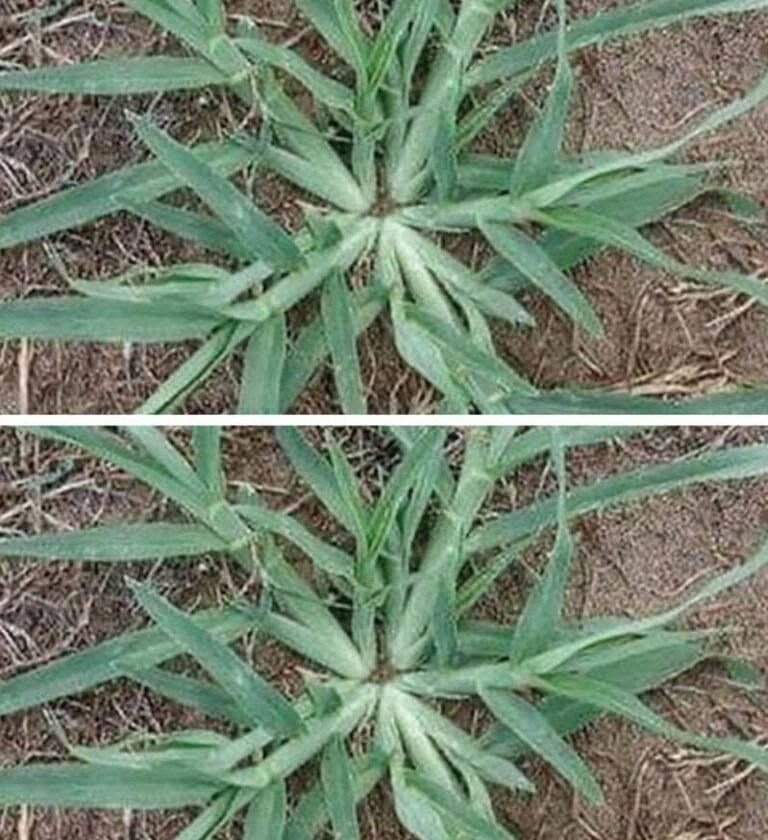
-
Never Uproot This Plant If It Appears in Your Garden? Here’s What to KnowThere isn’t one plant that should never be removed from every garden. Whether a volunteer plant is beneficial depends on what species it is, where it is growing, and whether it’s invasive or toxic.
However, one plant that gardeners often mistake for a weed is common milkweed (Asclepias syriaca).
Why milkweed can be worth keeping
1. It supports monarch butterflies
Milkweed is the primary host plant for monarch caterpillars. Female monarchs lay their eggs on milkweed because their caterpillars feed on it.2. It provides food for pollinators
Milkweed flowers produce nectar that can attract bees, butterflies, and other pollinating insects.3. It supports garden biodiversity
Native plants can provide food and habitat for a wide variety of insects and other wildlife.4. It can be a hardy native plant
Once established, milkweed generally requires relatively little maintenance and can tolerate periods of dry conditions depending on the species and location.But don’t keep every “weed”
Some plants that appear spontaneously can be invasive, poisonous, or harmful to pets and livestock. Even milkweed can spread aggressively in some settings and may not be appropriate for every garden.
Before leaving an unknown plant in place, identify it first using a reliable plant-identification guide or local extension service.
What to do
If you find an unfamiliar plant:
- Take clear photos of the leaves, flowers, stem, and entire plant.
- Identify the species before removing it.
- Check whether it’s native or invasive in your region.
- Consider whether it could be harmful to children or pets.
- If it’s a beneficial native plant in an appropriate location, consider letting it grow.
Bottom line: Don’t automatically pull up every volunteer plant—but don’t assume every mysterious plant is beneficial either. Correct identification is the key.