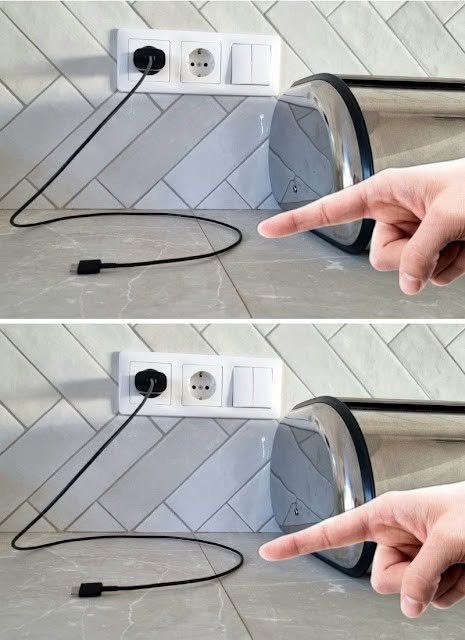
If you want to expand this into a detailed article/video script, I can structure it around these 3 main reasons:
- Small but continuous electricity use
A charger left plugged in can still draw a tiny amount of power even when your phone isn’t connected. Modern chargers generally use very little standby power, but leaving many chargers connected over time can add up. - Heat and electrical stress
Chargers can generate some heat while plugged in. A damaged, low-quality, or poorly ventilated charger may become significantly hotter, increasing the risk of malfunction. Heat is especially concerning when a charger is covered by bedding, clothing, or other materials. - Safety and damage risks
The biggest concern isn’t normally the tiny standby electricity consumption—it’s faulty equipment, damaged cables, loose outlets, power surges, or overheating. A defective charger can potentially cause sparks, short circuits, or fire. Unplugging it when you’re finished removes one unnecessary source of electrical risk.
A stronger, more accurate version of the headline
NEVER LEAVE A CHARGER PLUGGED IN WITHOUT YOUR PHONE: 3 REASONS YOU SHOULD KNOW
Most people unplug their phone—but leave the charger sitting in the outlet.
That may seem harmless, but there are 3 important reasons you shouldn’t make it a habit: standby power consumption, heat and electrical stress, and the safety risks associated with damaged or low-quality chargers.
Here’s what you need to know before leaving your charger plugged in overnight—or for days at a time.
One important nuance: a modern, undamaged, reputable charger usually consumes very little electricity when idle, so the claim shouldn’t imply that every plugged-in charger is an immediate fire hazard. The strongest safety message is to unplug damaged, hot, loose, counterfeit, or poor-quality chargers, and avoid covering chargers while they’re operating.