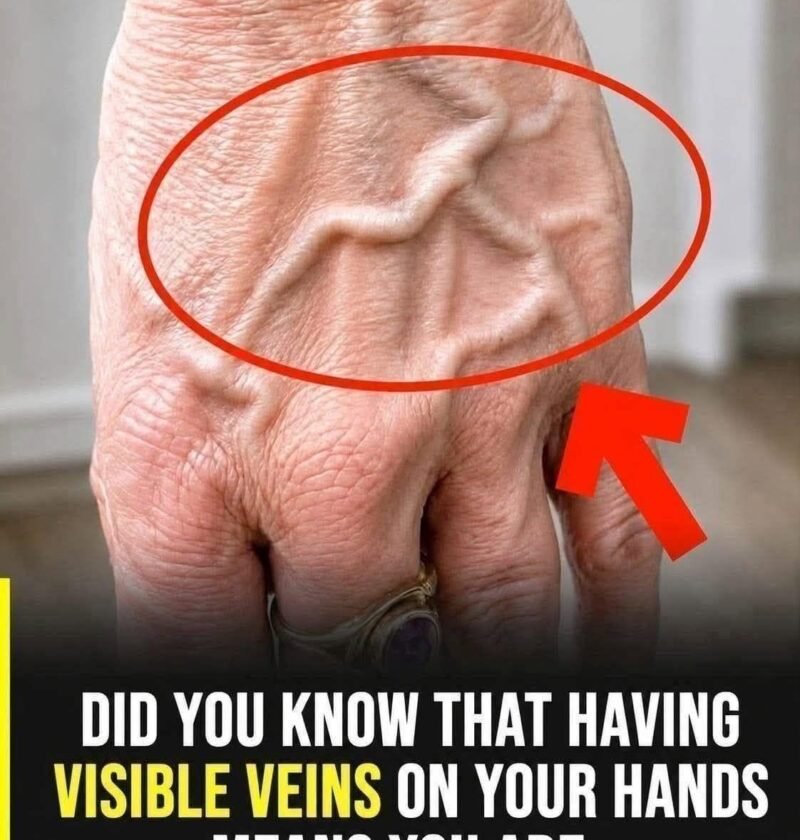
Did You Know That Having Visible Veins Means You Are…?
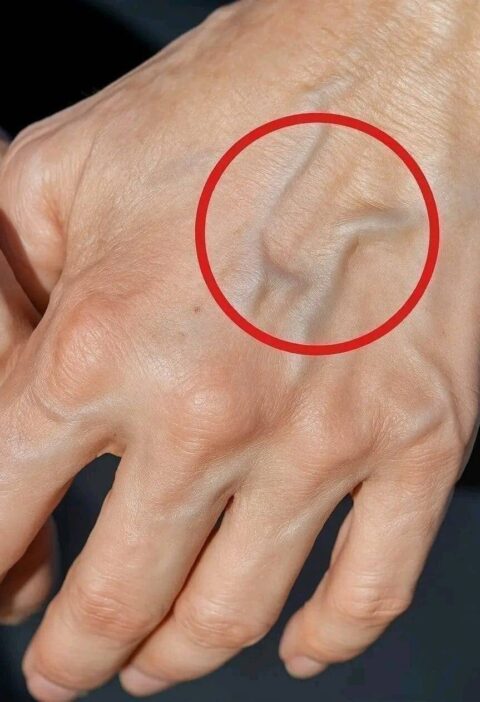
Visible veins beneath the skin are often completely normal. They may be more noticeable because of your body composition, genetics, age, exercise habits, or skin characteristics. Visible veins do not automatically mean you have a health problem—or that you are especially healthy.
5 things visible veins may indicate
1. Low body fat: Less fat beneath the skin can make veins more prominent, particularly on the hands, arms, and abdomen.
2. Regular exercise: Exercise increases blood flow, and strength training may make veins temporarily or persistently more visible.
3. Hot weather: Heat widens blood vessels near the skin’s surface, making veins easier to see.
4. Aging or thinner skin: Skin naturally becomes thinner with age, so underlying veins may become more noticeable.
5. Varicose veins or circulation problems: Enlarged, twisted veins—especially in the legs—may indicate damaged vein valves. Aching, heaviness, swelling, or itching can accompany them.
When should you worry?
Seek urgent medical attention if a vein becomes newly painful, red, warm, or swollen, especially in one leg. Sudden leg swelling accompanied by chest pain or breathlessness is an emergency.
If your veins have always been visible and there are no other symptoms, this is usually not a cause for concern.
Let me ask you one thing: Where are your veins most visible?
-
Hands and fingers
-
Arms and biceps
-
Legs and calves
-
Chest or abdomen
Tell me which area, and I can explain the most likely reasons.