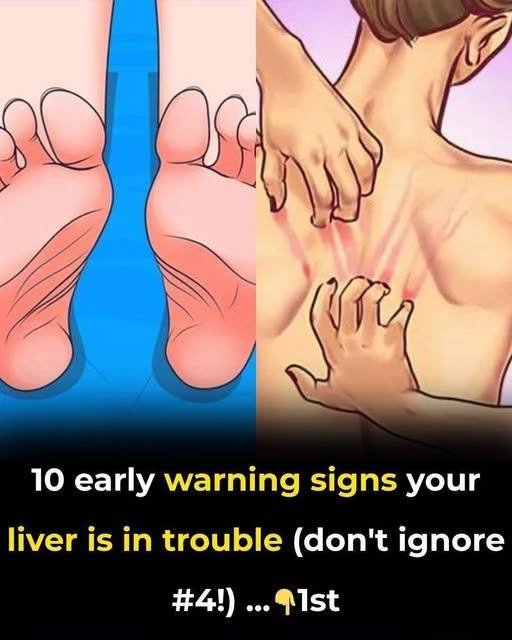
The internet often circulates dramatic claims that “your liver can be 90% damaged before showing any symptoms.” While that exact percentage is a colloquial exaggeration, the underlying truth is profound: the liver is an exceptionally resilient, “silent” organ.
Because liver tissue lacks pain receptors inside the organ itself and possesses a massive functional reserve, chronic conditions like non-alcoholic fatty liver disease (NAFLD), early scarring (fibrosis), and even moderate inflammation can progress for years without causing obvious discomfort. By the time overt symptoms appear, the disease is often quite advanced.
Hepatologists and gastroenterologists emphasize looking out for these key, often subtle signs that indicate your liver may be under severe strain:
1. Persistent, Unexplained Fatigue and Brain Fog
-
What happens: The liver acts as the body’s primary metabolic powerhouse, converting nutrients, managing energy storage, and clearing circulating toxins. When its efficiency drops, systemic energy metabolism plummets.
-
Why it’s a warning sign: Chronic, bone-deep exhaustion that does not improve with sleep—often accompanied by mild mental confusion or trouble concentrating (hepatic encephalopathy)—is frequently one of the earliest systemic clues that metabolic waste products are lingering in the bloodstream.
2. Changes in Urine and Stool Color
-
What happens: The liver produces bile, which breaks down fats and gives stool its normal brown color. It also processes bilirubin, a byproduct of old red blood cells.
-
Why it’s a warning sign: If your urine becomes unusually dark (resembling cola or dark tea) even when you are well-hydrated, or if your stools turn pale, clay-colored, or gray, it indicates that bile flow is blocked or compromised, preventing waste from exiting properly through the digestive tract.
3. Jaundice (Yellowing of the Skin and Eyes)
-
What happens: When the liver cannot effectively process and clear bilirubin, excess pigment builds up in the blood.
-
Why it’s a warning sign: A yellow tint to the whites of the eyes (scleral icterus) or the skin is a classic indicator of liver dysfunction. While sometimes acute (such as from hepatitis or a blocked bile duct), it can also point to advanced chronic disease.
4. Unexplained Abdominal Swelling or Pain (Ascites)
-
What happens: As liver scarring (cirrhosis) advances, blood flow through the organ slows down, drastically increasing pressure in the surrounding portal vein.
-
Why it’s a warning sign: This fluid pressure forces blood plasma to leak into the abdominal cavity (causing a tight, swollen belly known as ascites) or down into the lower legs and ankles (edema). You might also feel a dull ache or fullness in the upper right side of your abdomen.
5. Easy Bruising and Bleeding
-
What happens: The liver is responsible for synthesizing the essential proteins required for blood clotting.
-
Why it’s a warning sign: If you notice that you bruise from the lightest bump, bleed longer from minor cuts, or experience frequent nosebleeds and bleeding gums, it means your liver’s synthetic capacity is declining.
6. Intense, Unexplained Itching (Pruritus)
-
What happens: When bile salts cannot flow normally through the biliary system, they back up and spill over into the bloodstream.
-
Why it’s a warning sign: Circulating bile salts deposit in skin tissues, triggering a deep, relentless, whole-body itch that doesn’t stem from a skin rash or allergy.
Protecting Your Liver Early
Because the liver rarely “shouts” when it is struggling, routine blood work—specifically a Comprehensive Metabolic Panel (CMP) measuring liver enzymes (ALT, AST, ALP) and bilirubin—alongside a doctor’s evaluation are critical. If caught early through lifestyle changes, weight management, and addressing root causes like metabolic syndrome or alcohol intake, the liver has a remarkable capacity to heal and regenerate itself.
To learn more about how specialists evaluate early liver warning signs, you can watch Your Liver Can Be 90% Damaged Without Any Symptoms.