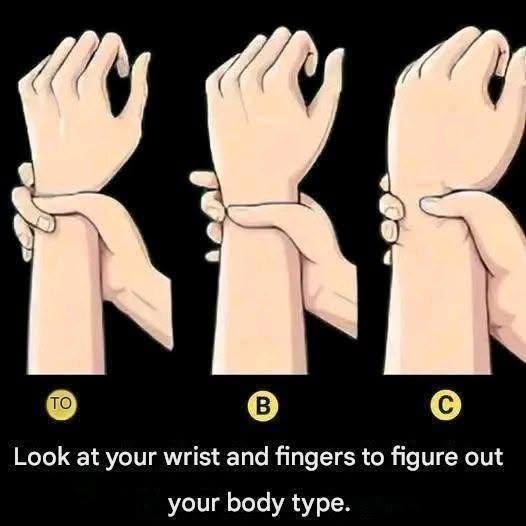
The concept of body types—known scientifically as somatotypes—originated in the 1940s through psychologist William Herbert Sheldon. He originally categorized human physiques into three distinct archetypes: ectomorphs, mesomorphs, and endomorphs.
While internet fitness culture and social media love to sort people neatly into these three buckets, modern exercise physiology and medicine view somatotypes with a healthy dose of nuance. Humans rarely fit into a single, rigid category; instead, most people are a combination of two or all three types.
Here is what science and fitness experts actually say about the three body types, the myths surrounding them, and what they mean for your health:
1. The Ectomorph: The “Lean and Linear” Frame
-
Key Characteristics: Typically slender, narrow shoulders and hips, a light-boned frame, low body fat, and a fast metabolism. Ectomorphs often find it difficult to gain both weight and muscle mass.
-
Fitness & Nutrition Reality: Because of their high metabolic rate, ectomorphs excel at endurance activities like long-distance running. However, if they want to build muscle (hypertrophy), they need to focus on progressive resistance training combined with a caloric surplus, ensuring they eat enough protein and healthy fats to fuel muscle growth.
2. The Mesomorph: The “Naturally Athletic” Build
-
Key Characteristics: A medium-boned frame, athletic build, defined musculature, broad shoulders, and a relatively low body fat percentage. Mesomorphs typically gain muscle and lose fat much more easily than the other two types.
-
Fitness & Nutrition Reality: Mesomorphs respond exceptionally well to both strength training and cardiovascular conditioning. While their genetics give them a head start in athletics and body composition, they are still susceptible to weight gain if they consume excess calories and abandon physical activity as they age.
3. The Endomorph: The “Sturdier and Softer” Physique
-
Key Characteristics: A broader, thicker bone structure, a softer or rounder physique, higher natural body fat storage, and a tendency to gain weight easily. Endomorphs often report struggling with a slower-seeming metabolism.
-
Fitness & Nutrition Reality: Endomorphs excel at strength, power, and lifting heavy due to their sturdy skeletal frame. However, because their bodies are highly efficient at storing energy, they often need to pay closer attention to carbohydrate intake, insulin sensitivity, and consistent cardiovascular exercise to manage body fat levels.
The Myth vs. Reality of Somatotypes
While somatotypes can be a helpful conceptual framework for tailoring workout programs, fitness science emphasizes a few critical realities:
-
Genetics Aren’t Destiny: You are not locked into a single somatotype for life. Aging, hormonal shifts, chronic stress, sleep quality, and lifestyle choices (diet and exercise) dramatically alter body composition over time. An ectomorph can build significant muscle mass, and an endomorph can achieve a lean, low body fat percentage.
-
Pure Types Are Rare: Most people are hybrids—such as an “ecto-mesomorph” (lean with broad shoulders) or an “endo-mesomorph” (muscular with a tendency to store midsection fat).
-
Metabolism Isn’t Fixed: Claims that a certain body type has a “broken” or permanently ruined metabolism are usually false. Metabolic rate adapts to muscle mass, activity levels, age, and caloric intake.