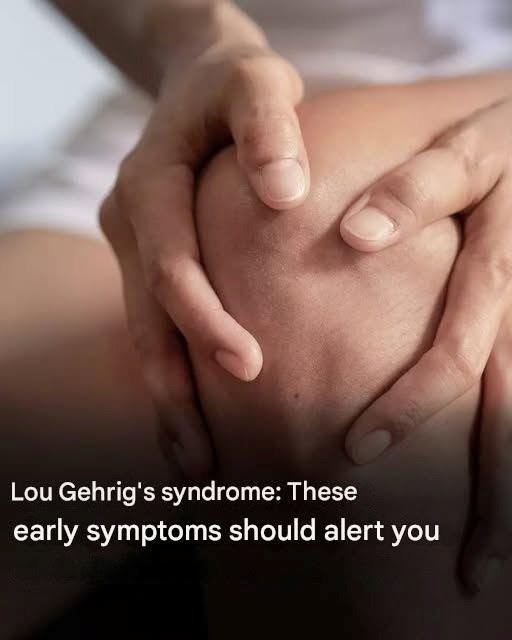
Lou Gehrig’s disease, also called amyotrophic lateral sclerosis (ALS), is a progressive neurological disease that damages nerve cells controlling voluntary muscles. Early symptoms
can be subtle and vary considerably between people.
Early symptoms to watch for
- Muscle weakness: Often begins in one hand, arm, leg, or the muscles used for speaking/swallowing.
- Dropping or fumbling objects: Hand weakness may make buttons, keys, utensils, or writing more difficult.
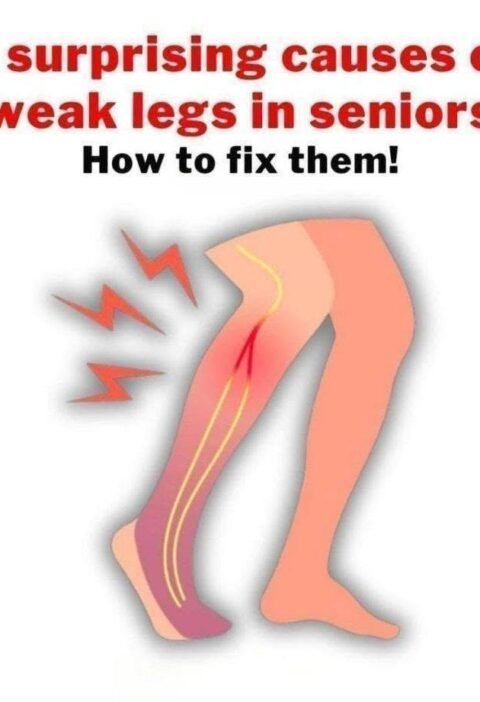
- Tripping or difficulty walking: A person may develop a foot that catches on the ground or have trouble climbing stairs.
- Muscle twitching (fasciculations): Small, involuntary muscle movements can occur, sometimes before obvious weakness.
- Muscle cramps or stiffness: Particularly in the arms or legs.
- Slurred or quieter speech: When the muscles involved in speech are affected.
- Difficulty chewing or swallowing: Food or liquids may become harder to manage.
- Muscle wasting: An affected hand, arm, shoulder, or leg may gradually become visibly thinner.
Important: these symptoms don’t automatically mean ALS
Many much more common conditions can cause similar symptoms, including nerve compression, vitamin deficiencies, thyroid problems, medication effects, stroke, Parkinson’s disease, and other neurological disorders.
ALS is diagnosed through a neurological evaluation and appropriate testing—not from symptoms alone.
Seek urgent medical attention for sudden weakness, facial drooping, new trouble speaking, or sudden difficulty walking, because these can be signs of a stroke.
If you’re asking because you or someone you know has one or more of these symptoms, tell me which symptoms, where the weakness started, and whether they developed suddenly or gradually. I can help you understand what might warrant a prompt medical evaluation.