.
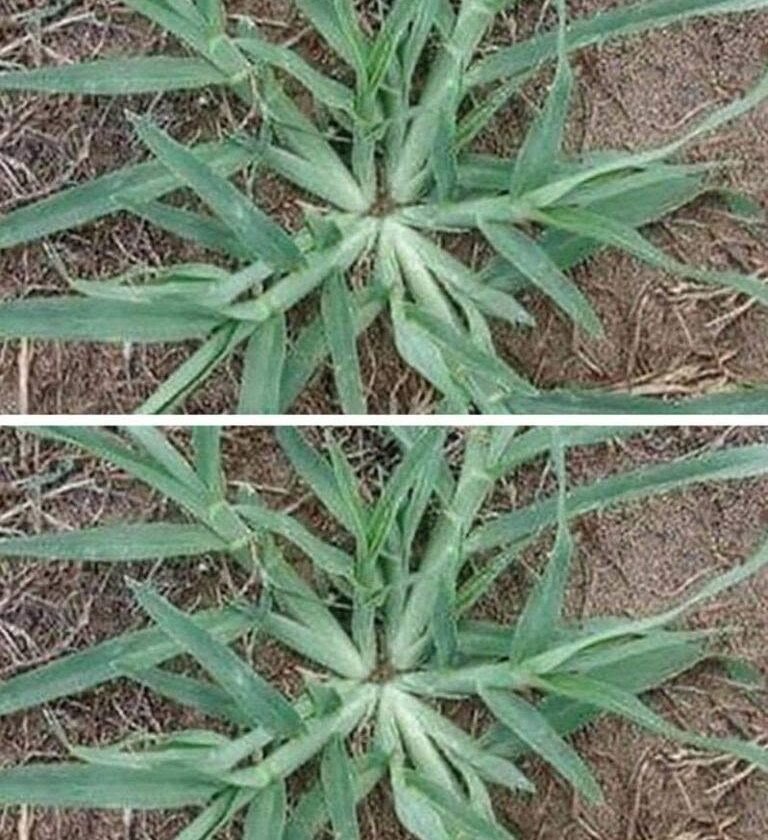
The headline “Never uproot this plant if it appears in your garden” is usually designed to make a common weed sound like a hidden treasure. But there isn’t one plant that gardeners should universally refuse to remove.
A likely candidate behind versions of this viral claim is purslane (Portulaca oleracea), although dandelion and broadleaf plantain are also sometimes promoted this way.
🌿 If it is purslane
Purslane has thick, fleshy leaves, reddish stems, and a low, spreading growth habit, with small yellow flowers.
D
Department of Plant Science
+1
It has some legitimate benefits:
It’s edible and is eaten in salads and cooked dishes in many parts of the world.
U
UC IPM
+1
It contains nutrients including vitamins and minerals and is notable for containing omega-3 fatty acids.
C
Cornell Cooperative Extension
It can tolerate heat, drought, and relatively poor soil.
But “never uproot it” is bad gardening advice. Purslane can spread rapidly, produce large numbers of seeds, and compete with vegetables and other plants for water and nutrients.
U
UC IPM
There’s another important issue: purslane can resemble poisonous spurge. Don’t eat a wild plant simply because someone identifies it as purslane from a vague photograph or social-media post. Correct identification is essential.
A
Ask Extension
🌼 What about dandelions?
Dandelions aren’t simply useless weeds either. Their deep roots can help break up compacted soil, and their early flowers can provide food for pollinating insects. The leaves and flowers are also edible.
U
University of Minnesota Extension
+1
But if dandelions are invading your vegetable beds or lawn, removing them is perfectly reasonable. Extension guidance specifically recommends removing the whole root when hand-weeding to reduce regrowth.
U
University of Minnesota Extension
🌱 And plantain?
Broadleaf plantain (Plantago major) is another plant sometimes portrayed online as a “miracle weed.” It is edible and has a history of traditional medicinal use, but it is also classified as a weed and can be removed from garden areas where you don’t want it.
U
University of Minnesota Extension
Bottom line
Don’t follow the word “never.” A plant can be nutritious or useful and still be undesirable in a particular part of your garden.
If you have the actual plant from the viral post, send me a photo or its name. I can tell you specifically what it is, whether it’s useful, whether it’s safe to eat, and whether you should keep or remove it.
D
U
C
Sources