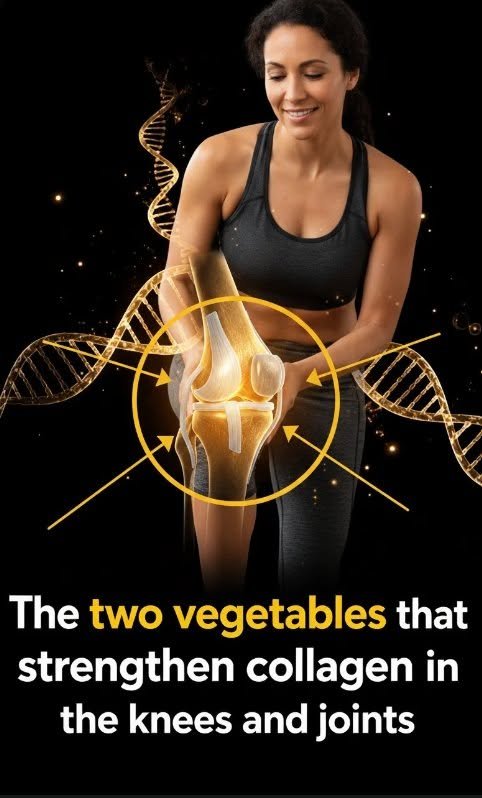
Two Fruits That Support Collagen in the Knees 🍊🥝
Did you know that certain fruits can help your body produce collagen, a protein that supports cartilage, tendons, ligaments, and other connective tissues?
While no fruit can regenerate knee cartilage or rebuild lost collagen on its own, two fruits stand out for providing nutrients that support your body’s natural collagen production.
1. 🍊 Oranges — Vitamin C for Collagen Production
Oranges are rich in vitamin C, an essential nutrient your body needs to make collagen.
How they may help:
-
Support normal collagen formation in connective tissues.
-
Help maintain healthy cartilage and other joint structures.
-
Provide antioxidants that help protect cells from oxidative damage.
How to enjoy them: Eat one medium orange as part of breakfast or a snack. Whole fruit is generally preferable to juice because it provides more fiber.
2. 🥝 Kiwi — A Vitamin C Powerhouse
Kiwi is another excellent source of vitamin C. Depending on the variety and size, one kiwi can provide a substantial portion of your daily vitamin C needs.
How it may help:
-
Supplies vitamin C needed for collagen synthesis.
-
Provides antioxidants that support general cellular health.
-
Helps you meet your nutritional needs for maintaining connective tissues.
How to enjoy it: Eat one or two kiwis with breakfast, plain yogurt, or oatmeal.
What about rebuilding knee cartilage?
It’s important to understand the difference between supporting collagen production and regenerating damaged cartilage.
| Nutrient | Role in joint health |
|---|---|
| Vitamin C | Essential for collagen formation |
| Protein | Provides amino acids used to build collagen |
| Calcium and vitamin D | Support bone health |
| Omega-3 fats | May help with inflammation in some joint conditions |
Eating a balanced diet supports your body’s tissues, but current evidence does not show that oranges or kiwis alone can reverse knee arthritis or regrow lost cartilage.
A simple daily routine for healthier knees
Vitamin C and dietary fiber.
An additional source of vitamin C.
Eggs, lentils, beans, yogurt, fish, or other protein-rich foods help supply the building blocks your body needs.
One final tip: If your knees hurt, appropriate strengthening exercises and maintaining a healthy weight, when relevant, often have stronger evidence for improving symptoms than any particular fruit.
If you tell me whether you’re concerned about knee pain, arthritis, or age-related cartilage loss, I can suggest more specific, evidence-based dietary and lifestyle steps.