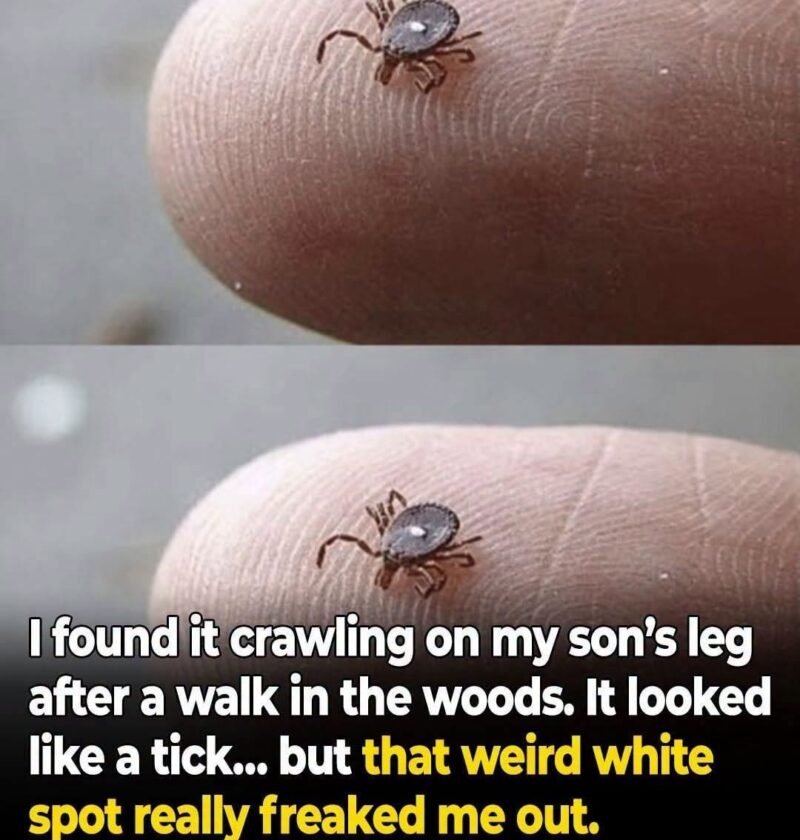
It is completely understandable to feel nervous when you see or suspect a tick, especially with all the worry surrounding them these days. Let’s break down what a Lone Star tick is, what it looks like, and what you should do right now.
What is a Lone Star Tick?
The Lone Star tick (Amblyomma americanum) is a very common species of tick found primarily in the southeastern, eastern, and Midwestern United States.
-
How to identify it: Adult females are easily recognized by a single, prominent white dot or “lone star” right in the middle of their back. Males have scattered white spots or streaks, and tiny, young nymphs (which are the size of a poppy seed) can be harder to spot and don’t always show the distinct mark clearly.
-
Aggressive behavior: Unlike some other ticks, Lone Star ticks are active hunters that will actively crawl toward potential hosts rather than just waiting on a blade of grass.
Should You Be Worried? (Key Risks)
While finding a tick is stressful, panicking won’t help—instead, you want to focus on quick, safe removal and monitoring. Keep these facts in mind:
-
Alpha-gal Syndrome (Red Meat Allergy): This is the most unique and widely discussed risk associated with Lone Star ticks. A bite from this tick can transmit a sugar molecule called alpha-gal into the body, which in some people triggers an immune system reaction resulting in an allergy to red meat (beef, pork, lamb) and dairy. Note: Not everyone bitten develops this allergy.
-
Other Pathogens: They can transmit diseases such as Ehrlichiosis, STARI (Southern Tick-Associated Rash Illness), and Heartland virus, though transmission usually requires the tick to be attached for a sustained period (often 24 to 48 hours).
What You Should Do Right Now
-
If the tick is currently attached:
-
Use clean, fine-tipped tweezers to grab the tick as close to your skin’s surface as possible.
-
Pull upward with steady, even pressure. Avoid twisting or jerking it, which can leave mouthparts behind.
-
Clean the bite area and your hands thoroughly with rubbing alcohol or soap and water.
-
Dispose of the live tick by submerging it in alcohol, placing it in a sealed bag/container, or flushing it down the toilet (never crush a tick with your fingers).
-
-
Monitor the bite and your health: Watch the bite area over the next few weeks for any expanding red rash (similar to a bull’s-eye or a general red patch). Pay attention to flu-like symptoms such as fever, chills, fatigue, or muscle aches.
-
When to see a doctor: If you develop a rash, fever, or feel unwell in the weeks following a bite—or if you notice any strange reactions after eating red meat down the road—reach out to a healthcare provider. Mention that you were bitten by a tick.