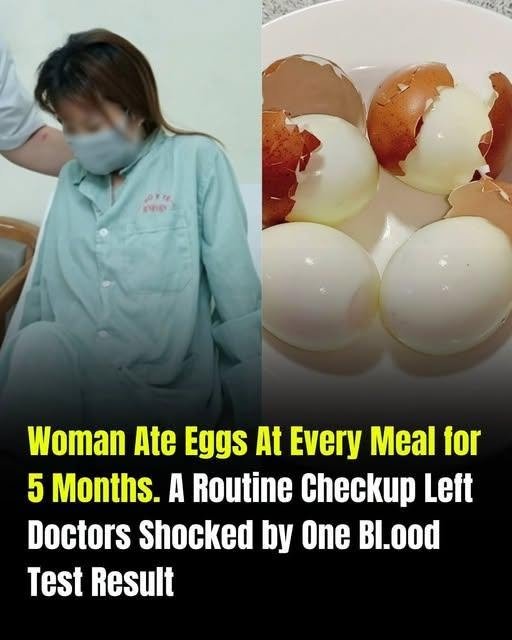
Viral weight-loss stories featuring extreme diets—like eating eggs at every single meal for months—always promise a dramatic plot twist at the doctor’s office. While headlines love to claim that doctors were “stunned,” nutritional science offers a much more predictable explanation for what happens to the body on a hyper-restrictive diet.
Eggs are nutritional powerhouses, but building an entire dietary routine around a single food is rarely a balanced or sustainable path to long-term health.
The Nutritional Reality of Eggs
Eggs are often called nature’s multivitamin for good reason:
-
High-Quality Protein: They contain all nine essential amino acids, which help preserve lean muscle mass and keep you feeling full longer.
-
Choline and Micronutrients: They are rich in vitamin D, B12, selenium, and choline, which supports brain and liver function.
-
The Cholesterol Question: For decades, eggs were feared because of their dietary cholesterol content. Modern nutritional science has largely cleared eggs for most people, showing that for the average person, saturated fat intake has a much greater impact on blood cholesterol than dietary cholesterol alone.
What Happens When You Eat Eggs at Every Meal?
While eating eggs can certainly aid weight loss initially because protein curbs appetite and helps create a calorie deficit, an all-eggs-all-the-time approach has major drawbacks:
-
Severe Nutritional Monotony and Deficiencies:
-
Even though eggs are nutritious, they lack critical components like vitamin C, complex carbohydrates, and dietary fiber. Eating only eggs for months would leave your body starved of fiber—essential for gut motility and stable blood sugar—and deficient in vital antioxidants found in colorful fruits, vegetables, and whole grains.
-
-
Digestive Distress:
-
Without fiber from vegetables, fruits, and grains, a zero-fiber, all-protein diet quickly leads to stubborn constipation, sluggish digestion, and bloating.
-
-
Dietary Fatigue:
-
Restrictive diets almost always lead to burnout. While someone might push through a monotonous egg diet for a few weeks, it doesn’t teach sustainable, healthy eating habits for life.
-
What a Safe, Effective Weight-Loss Diet Actually Looks Like
Sustainable weight loss doesn’t require extreme stunts or single-ingredient obsessions. It relies on consistency and balance:
-
Adequate Protein: Incorporating eggs, lean meats, fish, beans, or plant proteins to protect muscle mass.
-
Abundant Fiber: Filling half your plate with vegetables, fruits, and whole grains to support gut health, heart health, and lasting fullness.
-
Healthy Fats: Balancing your meals with sources like olive oil, avocado, nuts, and seeds.
When to Consult a Professional
If you are trying to lose weight or overhaul your diet, crash diets and viral food stunts can sometimes mask underlying metabolic issues or nutritional imbalances. Consulting a registered dietitian or your primary care doctor is the safest way to build a personalized nutrition plan that actually lasts.