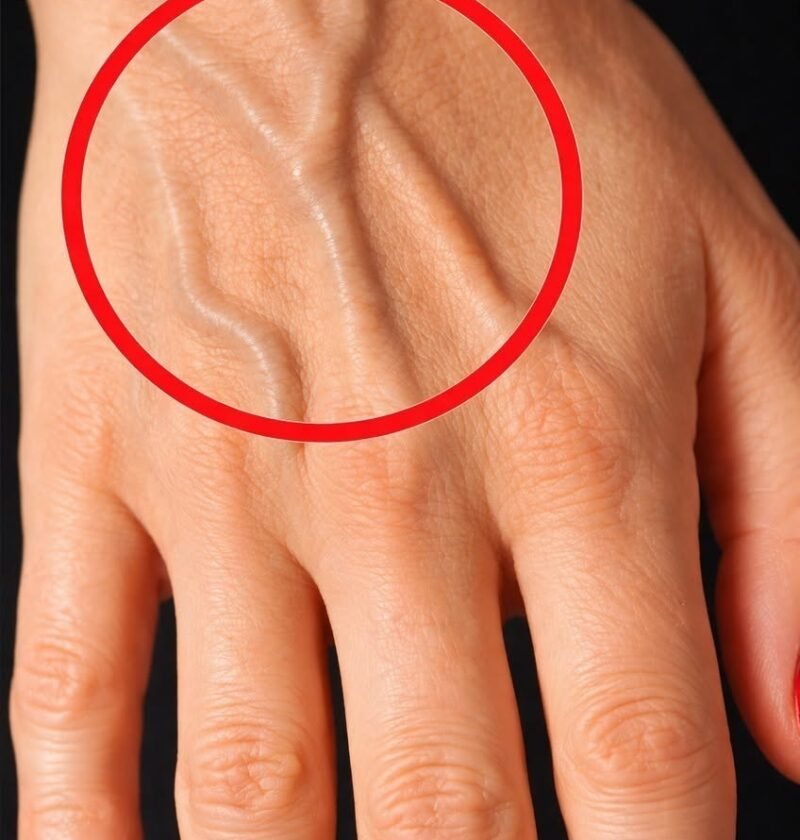
Having visible veins doesn’t point to just one single thing—it can mean any number of things depending on your body, your lifestyle, or your health. Because veins serve as the highways returning blood to your heart, anything that brings them closer to the surface or increases pressure inside them can make them stand out.
Depending on the context, prominent or visible veins usually mean you are:
1. Naturally Lean or Low in Body Fat
If you have a lower body mass index (BMI) or very little subcutaneous fat (the fat layer directly under the skin), there is less “cushioning” masking your blood vessels. This is why athletes and physically fit individuals often have highly visible veins on their arms, hands, and legs.
2. Fair-Skinned
Skin tone plays a big role. People with lighter or fairer complexions naturally have translucent skin that allows the blue and green hues of surface veins to show through much more easily than on darker skin tones.
3. Exercising or Just Finished a Workout
During physical activity, your blood pressure rises, your heart pumps faster, and your blood vessels dilate (expand) to deliver extra oxygen to your working muscles. Combined with muscle pumps pushing veins outward, this creates temporary “vascularity”.
4. Experiencing Hot Weather
When the weather is hot, your body naturally dilates your blood vessels (vasodilation) and sends more blood close to the skin’s surface to help release heat and cool you down.
5. Getting Older
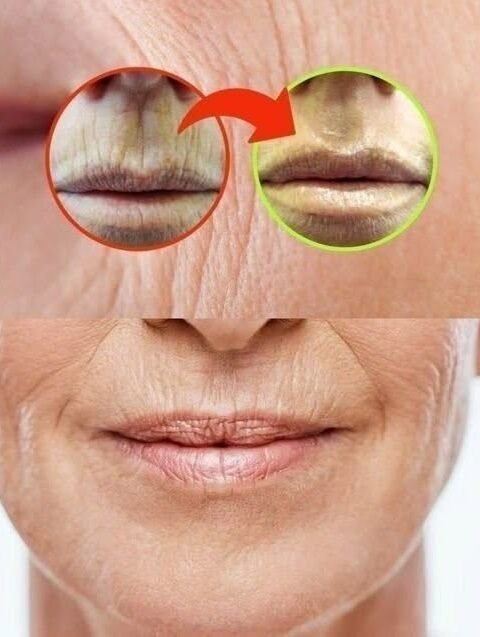
As skin ages, it gradually loses collagen, elasticity, and thickness, while the underlying fatty layer thins out. This natural aging process makes veins much more prominent, particularly on the hands and legs.
6. Experiencing Hormonal Changes (or Pregnancy)
Fluctuating hormones during pregnancy, menstruation, or menopause can alter vein walls and increase total blood volume. Pregnancy, in particular, puts extra pressure on the lower body, frequently leading to more noticeable veins.
7. Dealing with Strained Circulation or Vein Issues
If your veins look twisted, bulging, or rope-like—especially in the legs—it can mean you are developing varicose veins or chronic venous insufficiency. This happens when the tiny valves inside your veins weaken, causing blood to pool rather than flow smoothly back to the heart.
⚠️ When to pay closer attention: While visible veins are usually harmless, genetics, or fitness-related, you should consult a doctor or vascular specialist if your visible veins are accompanied by persistent leg pain, swelling, heaviness, skin discoloration, or if a specific vein becomes hard, warm, and tender to the touch.
Are your visible veins a lifelong trait, or have you noticed them popping up more recently in a specific area like your legs or hands?