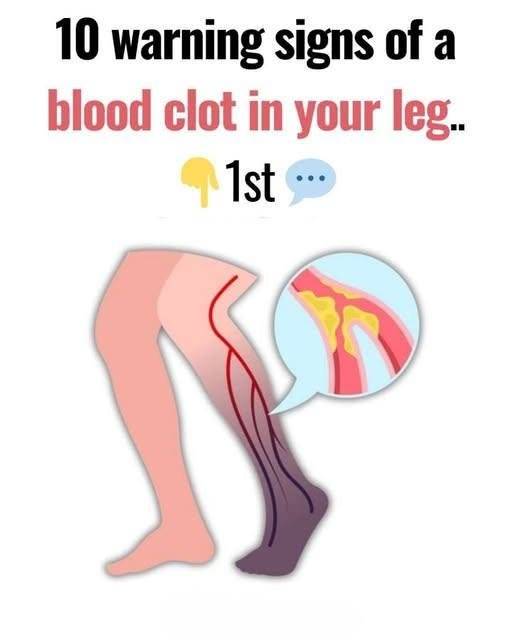
A blood clot in a deep vein of the leg—known medically as Deep Vein Thrombosis (DVT)—is a serious medical condition. Recognizing the signs early is critical because if a clot breaks loose, it can travel to the lungs and cause a life-threatening Pulmonary Embolism (PE).
Here are the key warning signs and symptoms of a blood clot in the leg, ranging from localized limb changes to emergency red flags.
Localized Signs in the Affected Leg (Usually Just One Limb)
-
Unilateral Swelling (Swelling in One Leg)
-
One of the most common signs. The clot blocks blood flow, causing fluid to back up. If your entire leg or just your calf suddenly swells up while the other remains normal, it warrants prompt medical evaluation.
-
-
Persistent Pain or Tenderness
-
Often starting in the calf, this pain is frequently described as a deep ache, cramp, or severe soreness. Unlike a standard muscle cramp from a workout, it does not go away with rest, stretching, or hydration.
-
-
Localized Warmth
-
The skin over the area where the clot has formed often feels noticeably warmer to the touch than the surrounding tissue, driven by restricted blood flow and localized inflammation.
-
-
Skin Discoloration (Redness or Blue Tint)
-
The skin over or around the clot may turn red, purple, or bluish. Note: On darker skin tones, discoloration can sometimes be harder to spot, making texture and swelling key indicators.
-
-
A Feeling of Heaviness or Fatigue
-
The affected leg may feel unusually heavy, tired, or difficult to move normally, a sensation that often worsens when standing or walking.
-
-
Prominent Surface Veins
-
If deep veins are blocked, blood may reroute through superficial veins closer to the skin surface, making them appear larger, bulging, or more visible than usual.
-
-
Tight, Shiny, or Stretched Skin
-
Due to significant fluid buildup and swelling beneath the surface, the skin on the affected calf or ankle can look stretched, tight, or glossy.
-
-
Pain When Flexing the Foot
-
Many people with a calf DVT experience sharp discomfort or a worsening cramp-like pull when flexing their foot upward toward the shin (a clinical sign known as a positive Homan’s sign, though not always reliable on its own).
-
-
No Symptoms at All (“The Silent Clot”)
-
It is important to note that up to 50% of people with DVT experience no noticeable symptoms. This is why awareness of risk factors—such as prolonged immobility (long flights, bed rest), recent surgery, trauma, active cancer, or smoking—is so vital.
-
🚨 The Ultimate Emergency Warning Sign
-
Symptoms of a Pulmonary Embolism (PE)
-
If a blood clot breaks free from the leg vein and travels to the heart and lungs, it becomes an immediate medical emergency. Call 911 or go to the nearest emergency room immediately if leg symptoms are accompanied by:
-
Sudden, unexplained shortness of breath or difficulty breathing
-
Sharp chest pain or discomfort (which typically worsens when taking a deep breath or coughing)
-
A rapid or irregular heartbeat
-
Lightheadedness, dizziness, or fainting
-
Coughing up blood
-
-
Medical Disclaimer: This information is strictly educational. If you suspect you have a blood clot or are experiencing sudden swelling and pain in your leg, do not wait to see if it goes away—contact a healthcare provider or seek urgent medical care immediately.
Have you or someone you know recently experienced prolonged immobility, or are you looking into these signs due to specific symptoms?