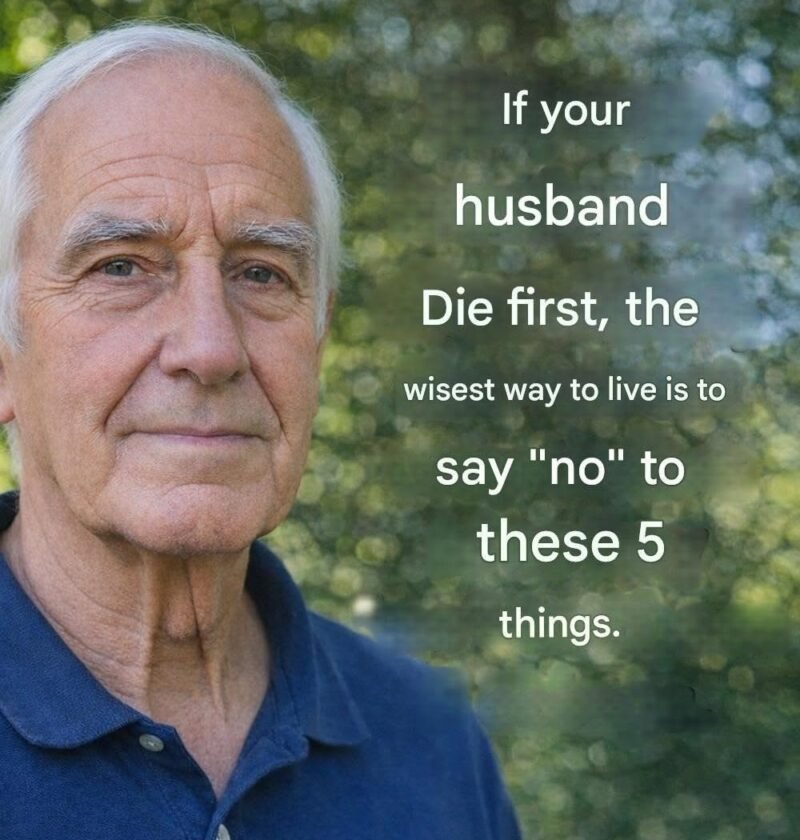
Losing a life partner after decades of shared history is one of life’s most profound and destabilizing griefs. When this occurs later in life (after age 60), the emotional shock is often compounded by major shifts in identity, daily routines, financial management, and social structures.
Grief experts, psychologists, and geriatric counselors emphasize that while pain is inevitable, certain well-intentioned choices made in the immediate aftermath can inadvertently prolong suffering or create severe isolation.
Here are 5 critical mistakes to avoid to help navigate life peacefully, build emotional resilience, and protect your well-being after 60:
1. Making Major, Irreversible Life Changes Too Quickly
-
The Mistake: Packing up and selling the family home, moving across the country to live near adult children, or liquidating major assets within the first few months of bereavement.
-
Why it hurts: Grief heavily impairs executive functioning, decision-making, and emotional stamina. Making high-stakes, permanent choices while in a state of acute shock often leads to deep regret once the initial fog begins to lift. Your home, neighborhood, and familiar surroundings often provide a comforting anchor of stability.
-
The Healthier Approach: Grief counselors recommend a “one-year rule”—try to postpone any major financial or life-altering decisions for at least the first year, unless an absolute emergency forces your hand.
2. Isolating Yourself and Rejecting Social Support
-
The Mistake: Pulling away from friends, declining invitations, or deciding that you are “too much of a burden” for others because you feel sad or repetitive.
-
Why it hurts: Prolonged social isolation after the loss of a spouse is scientifically linked to a sharp decline in physical health, increased risk of cardiovascular events, cognitive decline, and deep clinical depression. While alone time is necessary for processing grief, total seclusion turns grief into loneliness.
-
The Healthier Approach: You don’t have to attend massive parties or force artificial cheer. Instead, focus on low-pressure connections—saying yes to a quiet coffee with a friend, joining a senior walking group, or participating in a bereavement support circle where others truly understand what you are carrying.
3. Suppressing or Rushing Your Grief to “Be Strong” for Others
-
The Mistake: Bottling up tears, refusing to talk about your late spouse, or acting like everything is “fine” to avoid making children, family members, or friends uncomfortable.
-
Why it hurts: Emotions that are buried alive do not disappear; they manifest physically as chronic fatigue, sleep disturbances, high blood pressure, or sudden, explosive emotional outbursts. Grief is not a disease to be cured or a task to finish—it is an ongoing process of readjustment.
-
The Healthier Approach: Give yourself full permission to feel whatever surfaces—whether it is profound sadness, anger, relief, or numbness. Talk openly about your partner, share memories, and let yourself cry when the wave hits. Healing happens by moving through the emotion, not around it.
4. Neglecting Your Own Physical Health and Basic Routines
-
The Mistake: Stopping regular exercise, skipping meals, ignoring chronic medication schedules, or turning to alcohol and heavy sedatives to force yourself to sleep through the night.
-
Why it hurts: Emotional stress places an immense physiological burden on the body. When older adults abandon self-care routines, immune function plummets, pre-existing conditions flare up, and physical frailty accelerates rapidly.
-
The Healthier Approach: Treat basic self-care as an act of honoring your life. Focus on keeping regular sleep-wake hours, eating nourishing meals, staying hydrated, and keeping up with routine medical check-ups. Even a short daily walk outdoors helps regulate stress hormones and lifts mood naturally.
5. Trying to Erase or Clinging Too Rigidly to the Past
-
The Mistake: Falling into one of two extremes: either frantically throwing away every single belonging of your partner within days out of panic, or conversely, turning their room or closet into an untouched, static shrine that you are forbidden to alter.
-
Why it hurts: Erasing belongings too quickly can trigger profound panic and secondary grief later, while freezing a home in time prevents you from adapting to your new reality and building a peaceful daily rhythm.
-
The Healthier Approach: Move at your own pace. There is no rush to clean out closets. When you do feel ready, consider keeping a few deeply meaningful items while slowly transitioning the space into something that serves your current life. The goal is not to forget your partner or sever the bond, but to transition from a relationship of physical presence to one of enduring internal memory and love.
Finding a New Rhythm
Living peacefully and strongly after 60 following the loss of a partner does not mean “getting over” them—it means learning how to carry the love forward while slowly carving out a new, independent chapter of meaning, self-discovery, and gentle grace for yourself.