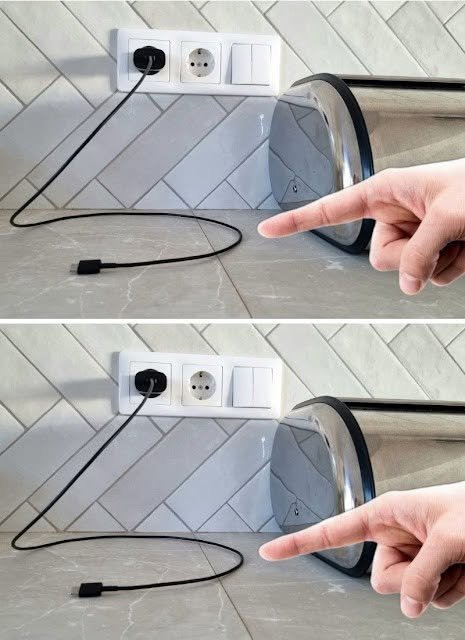
Never Leave a Charger in an Outlet Without Your Phone: The 3 Real Reasons
The viral warning “never leave a charger plugged in without your phone” is too absolute. A modern, undamaged, reputable charger generally uses very little electricity when nothing is connected. However, unplugging unused chargers is still a sensible safety habit.
1. ⚡ It still consumes a little electricity
A charger can draw standby power even when your phone isn’t connected. The amount is usually tiny, but multiple chargers left plugged in continuously add to household energy consumption. (The Department of Energy’s Energy.gov)
2. 🔥 Faulty or counterfeit chargers can overheat
The bigger concern is charger quality and condition, not simply the fact that a phone isn’t attached. Damaged, counterfeit, or poorly manufactured chargers can develop electrical faults, overheat, or cause fires. Health Canada has documented fire and shock hazards associated with non-compliant USB chargers. (Canada)
3. 🛡️ Unplugging removes one potential electrical hazard
A charger that is unplugged can’t experience a mains-powered fault while sitting unattended. This is particularly worthwhile when you’re leaving home, going to bed, or using a charger that shows damage, unusual heat, buzzing, sparking, or a burning smell. (Electrical Safety First)
What you should actually do
- Use the manufacturer’s charger or a reputable certified replacement.
- Replace chargers or cables that are cracked, frayed, unusually hot, sparking, or making strange noises.
- Keep chargers uncovered and well ventilated.
- Don’t charge devices on beds, under pillows, or beneath blankets.
- Unplug chargers when they’re not needed, especially before leaving home for an extended period. (Google Support)
Bottom line: Leaving a good-quality modern charger plugged in doesn’t automatically mean your house is in danger. But unplugging unused chargers is a simple precaution that eliminates standby consumption and reduces exposure to potential charger faults.