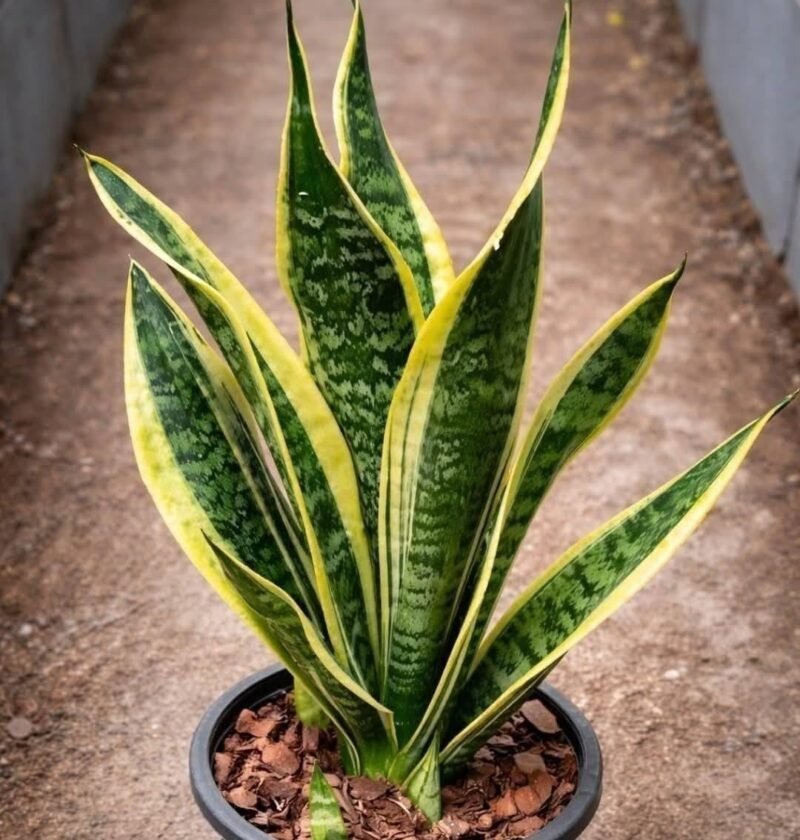
Articles and viral posts with headlines about having a “natural air purifier” in your home almost always refer to the Spider Plant (Chlorophytum comosum) or the Snake Plant (Sansevieria / Dracaena trifasciata).
While these resilient green houseplants are fantastic additions to any room, there is an important scientific reality check behind the viral “NASA clean air” hype, alongside some genuinely great benefits they do provide.
The Reality Check: Are They Actually “Air Purifiers”?
The idea that houseplants act as heavy-duty air purifiers largely stems from a famous 1989 NASA study. However, modern scientific follow-ups have clarified how this works in a typical home:
-
The Lab vs. Your Living Room: NASA tested plants in sealed, airtight chambers. In a real home with constant airflow, doors opening, and HVAC systems cycling air, plants remove volatile organic compounds (VOCs) at a rate that is practically negligible compared to a basic HEPA air filter.
-
The Verdict: You would need hundreds of dense plants packed tightly into a single room to match the air-scrubbing power of an electronic air purifier.
Why You Should Still Want One in Your House (The Real Benefits)
Even if they aren’t industrial air scrubbers, having a hardy houseplant like a Spider Plant or Snake Plant brings genuine perks to your living space:
-
Natural Humidity Regulation: Plants release moisture through transpiration. Having a few leafy greens around can gently boost low indoor humidity, which helps soothe dry nasal passages, skin, and throats during dry winter months or in air-conditioned spaces.
-
Psychological & Stress Relief: Numerous studies show that interacting with or simply looking at indoor greenery lowers cortisol levels, reduces mental fatigue, and boosts overall mood and focus.
-
The Ultimate “Indestructible” Companion: Both spider plants and snake plants are famous for being nearly impossible to kill. They tolerate low light, survive occasional underwatering, and actively produce “pups” (baby offshoots) that you can easily propagate and share with friends.
-
Nighttime Oxygen Producers (Snake Plants): Unlike most plants that release oxygen only during the day, snake plants are part of a unique group that performs crassulacean acid metabolism (CAM) photosynthesis, releasing oxygen and absorbing carbon dioxide at night, making them popular bedroom companions.