How to Make a Homemade Herbicide That Actually Works
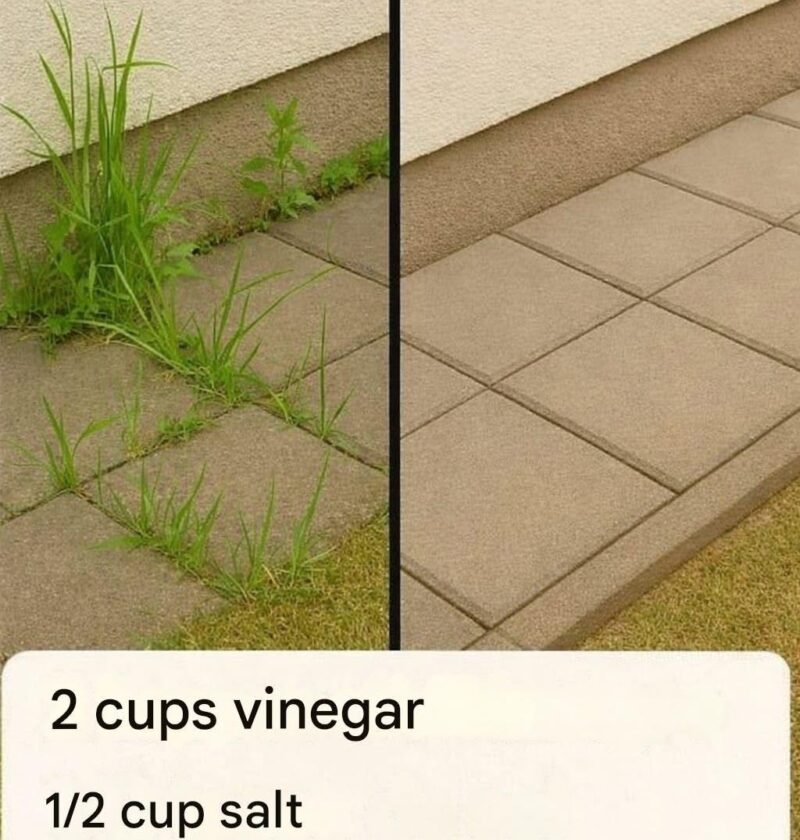
The popular vinegar + salt + dish-soap recipe can brown weeds quickly, but it isn’t a good all-purpose solution. Salt can accumulate in soil and damage plants you want to keep, while household vinegar often only burns the foliage and may not kill established roots. Extension specialists generally advise against DIY pesticide mixtures in garden beds.
For weeds in cracks and paving
A safer simple option is boiling water:
- Pull or cut the weed close to the ground.
- Carefully pour boiling water directly over the remaining weed and its base.
- Avoid splashing nearby plants.
- Repeat if the weed regrows.
It works best on small weeds growing in driveways, patios, and pavement cracks. It can also damage desirable plants, so keep it away from garden beds.
🌱 For garden beds
Skip salt. Instead, pull weeds while the soil is moist and cover bare soil with about 7–8 cm (3 inches) of organic mulch. Mulch blocks light and helps prevent new weeds from establishing.
What about vinegar?
Household vinegar is typically around 5% acetic acid and may work on very young annual weeds, but established perennial weeds commonly regrow from their roots. Strong horticultural vinegar is considerably more caustic and can cause serious skin and eye injury, so it shouldn’t be treated like ordinary kitchen vinegar.