Disclaimer: The following information is for educational purposes. Because facial skin is delicate, it is important to understand the risks and consult a dermatologist before applying baking soda to your face.
While baking soda (sodium bicarbonate) is a popular DIY home remedy for everything from exfoliating to teeth whitening, dermatologists generally advise against using it on the face, especially for delicate concerns like wrinkles and dark circles.
Here is why experts urge caution, how baking soda interacts with the skin, and safe, dermatologist-recommended alternatives for treating these skin concerns.
Why Baking Soda Can Harm Facial Skin
Baking soda has a very high pH level (around 9), whereas the natural pH of human skin is slightly acidic (typically between 4.5 and 5.5). This protective acidic layer—known as the acid mantle—keeps moisture locked in and harmful bacteria out.
Applying baking soda directly to the face disrupts this balance, leading to:
-
Severe Dryness and Irritation: Stripping the natural oils causes flaking and redness.
-
Micro-Tears: Baking soda crystals are harsh and abrasive, creating microscopic tears in the skin barrier, particularly under the thin skin of the eyes.
-
Premature Aging: Irritation and a compromised skin barrier can actually worsen wrinkles and inflammation over time, rather than reducing them.
-
Worsened Pigmentation: Post-inflammatory hyperpigmentation can occur if irritation triggers an inflammatory response in the skin.
Safe Alternatives for Common Skin Concerns
Instead of harsh physical scrubs like baking soda, science-backed skincare ingredients offer safe and effective results:
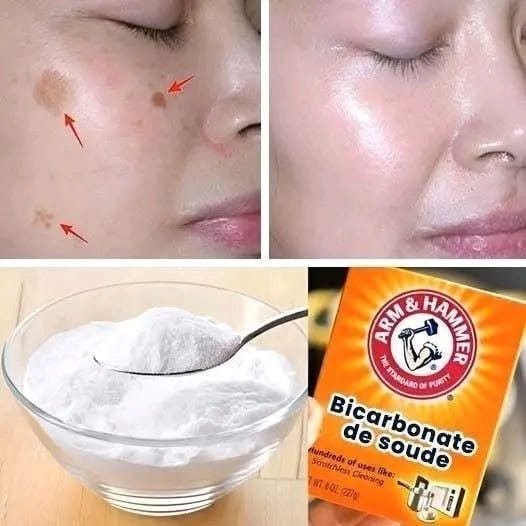
1. For Dark Spots & Hyperpigmentation
-
Vitamin C: A powerful antioxidant that brightens the skin and inhibits melanin production.
-
Alpha Hydroxy Acids (AHAs): Ingredients like glycolic acid or lactic acid provide gentle chemical exfoliation, clearing away dead skin cells without the abrasive scratching of baking soda.
-
Niacinamide: Helps fade dark spots while strengthening the skin barrier.
2. For Wrinkles & Fine Lines
-
Retinoids (Retinol / Tretinoin): The gold standard for anti-aging; they speed up cell turnover and stimulate collagen production.
-
Peptides: Help support skin structure and improve firmness.
-
Daily Sunscreen (SPF 30+): The single most effective way to prevent and reduce the formation of wrinkles.
3. For Dark Circles
-
Eye Creams with Caffeine: Help constrict blood vessels and temporarily reduce puffiness and dark shadows.
-
Hyaluronic Acid: Plumps and hydrates the thin under-eye area to minimize the appearance of hollows and shadows.
-
Adequate Sleep & Hydration: Often the root cause of fatigue-related dark circles.
A Note on Patch Testing
If you ever try a new DIY recipe or skincare product, always perform a patch test on a small area of skin (like your inner forearm or behind your ear) and wait 24 to 48 hours to ensure you don’t experience an allergic reaction or irritation before applying it anywhere near your face.
Would you like recommendations for a gentle skincare routine tailored to address dark spots, fine lines, or under-eye circles safely?