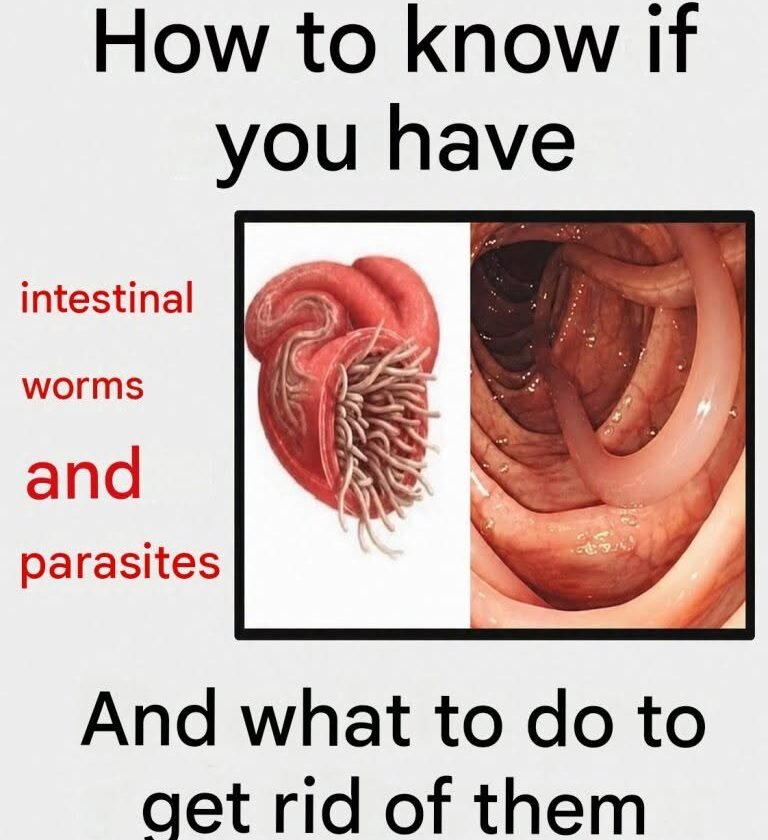
Suspecting that you have intestinal parasites can be unsettling, especially with so many dramatic cleanses and detox products marketed online.
Here is a straightforward medical breakdown of how intestinal parasites are actually identified, what symptoms they cause, and how to treat them safely.
Common Signs of Intestinal Parasites
While many people assume parasites cause endless, dramatic symptoms, some infections cause no symptoms at all. When symptoms do occur, they typically affect the digestive system. Common signs include:
-
Persistent Gastrointestinal Distress: Unexplained, ongoing diarrhea, frequent gas, bloating, or abdominal cramping.
-
Unintended Weight Loss: Losing weight despite having a normal or even increased appetite.
-
Nausea or Vomiting: Ongoing stomach upset with no clear viral or bacterial cause.
-
Perianal Itching: Particularly with pinworms, intense itching around the anus (often worse at night) is a hallmark symptom.
-
Fatigue: Feeling chronically exhausted due to nutrient malabsorption or anemia (common with certain worms like hookworms).
How to Know for Sure (Diagnosis)
You cannot accurately diagnose a parasite infection based on symptoms alone, because conditions like irritable bowel syndrome (IBS), food intolerances, and bacterial infections can look identical.
To find out if you actually have parasites, a doctor will typically use:
-
A Stool Sample (Ova and Parasite Test): Laboratory technicians examine a stool specimen under a microscope to look for parasite eggs (ova) or the parasites themselves. You may need to provide multiple samples over several days.
-
Specialized Tests: Depending on the suspected parasite, doctors may use blood tests (to check for antibodies or elevated white blood cells called eosinophils) or other diagnostic methods like a tape test (specifically for pinworms).
What to Do to Get Rid of Them
If tests confirm a parasitic infection, prescription medication is the standard and most effective solution.
-
Targeted Antiparasitic Drugs: Different parasites require different medications. For example, infections caused by single-celled organisms (like Giardia) are treated with medications like metronidazole, while pinworms or roundworms are treated with drugs like albendazole or mebendazole.
-
Avoid Unregulated “Parasite Cleanses”: Over-the-counter herbal detoxes, wormwood blends, or harsh laxatives advertised online are generally unregulated, lack clinical backing, and can place unnecessary stress on your liver and kidneys without reliably curing the infection.
-
Practice Good Hygiene: If a parasite is diagnosed, household members may also need to be tested or treated, especially with highly contagious types like pinworms. Thorough handwashing, washing bed linens in hot water, and keeping fingernails short are essential to prevent reinfection.
When to See a Doctor
If you are experiencing persistent digestive issues, unexplained weight loss, or traveled recently to an area with risk of water- or food-borne parasites, schedule an appointment with a physician or gastroenterologist. A simple stool test can provide a definitive answer and point you toward the correct, safe medical treatment