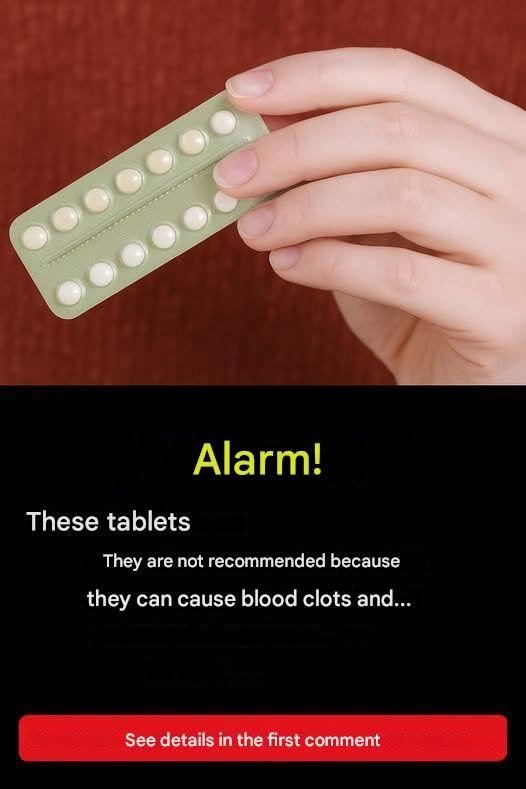
When medical discussions or warnings focus on pills that carry a risk of blood clots, they are almost universally referring to hormone-based medications containing estrogen—most notably combined hormonal contraceptives (birth control pills), as well as certain hormone replacement therapies (HRT).
Why Estrogen Increases Blood Clot Risk
Estrogen influences the liver’s production of proteins responsible for blood clotting (coagulation factors). When introduced in medication form, it can tip the delicate balance of the coagulation system, making the blood more prone to forming abnormal clots.
The primary risks associated with these clots include:
-
Deep Vein Thrombosis (DVT): A blood clot that develops in a deep vein, usually in the legs, causing pain, swelling, and redness.
-
Pulmonary Embolism (PE): A life-threatening emergency where a blood clot breaks free from a vein, travels through the bloodstream, and lodges in the lungs, causing chest pain and severe shortness of breath.
Key Factors That Elevate the Risk
While the baseline risk of a blood clot for a healthy young woman on birth control is still statistically low, certain factors multiply that danger significantly:
-
Smoking: Smoking—especially for women over the age of 35—combined with estrogen-containing birth control drastically spikes the risk of blood clots, strokes, and heart attacks.
-
Personal or Family History: A prior history of blood clots, clotting disorders (like Factor V Leiden), or a strong genetic predisposition.
-
Immobility: Prolonged periods of sitting (such as long-haul flights or recovery after surgery) combined with estrogen therapy.
-
Age and Underlying Health: Higher body mass index (BMI), high blood pressure, or diabetes.
Safe Practices
-
Never stop critical medications abruptly without speaking to a doctor first, as doing so (such as stopping blood pressure or hormone treatments improperly) can carry its own health risks.
-
Discuss your full medical history: Always inform your prescribing physician or gynecologist about your lifestyle (including smoking status), medical history, and family background so they can select the safest formulation (such as progestin-only options or non-hormonal alternatives) if you are at higher risk.