How to Get Rid of Phlegm and Mucus Naturally
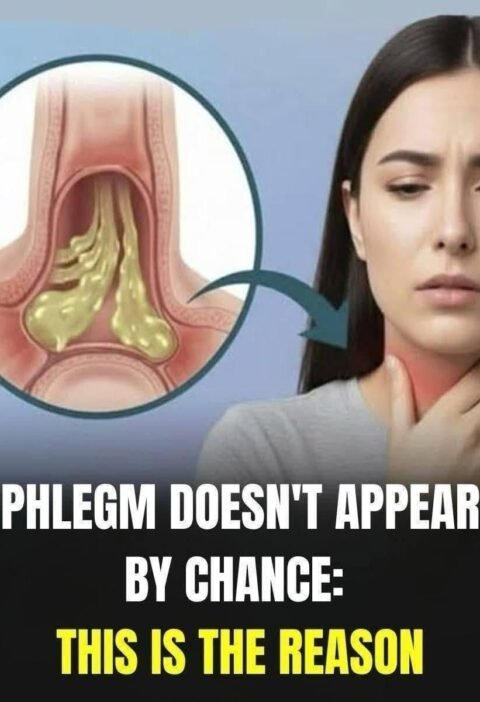
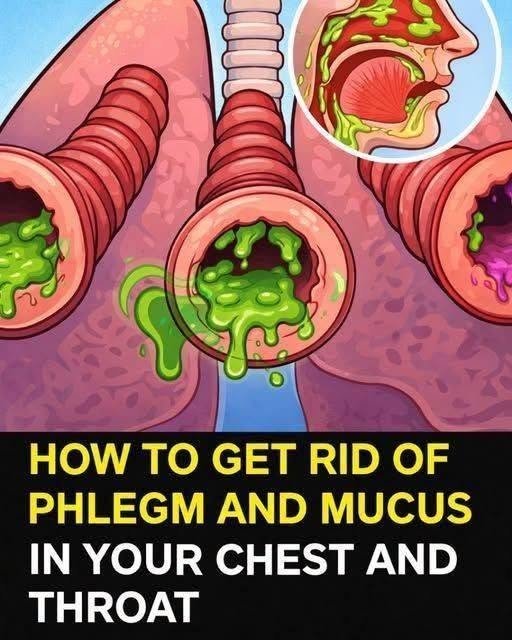
Phlegm is often your body’s way of clearing an infection or irritation. Colds, flu, bronchitis, allergies, postnasal drip, smoking, and reflux can all cause excess mucus. Most short-term respiratory infections improve on their own.
N
nhs.uk
+1
Things that can help
Drink plenty of fluids. Water can help thin mucus and make it easier to cough up.
N
nhs.uk
Try a warm drink with honey and lemon. It can soothe an irritated throat and cough. Honey should not be given to children under 1 year.
N
nhs.uk
+1
Use a humidifier or take a warm shower. Moist air may help loosen mucus in the nose and throat. Avoid bowls of boiling water for steam inhalation because of the burn risk.
N
nhs.uk
Gargle with warm salt water if mucus is irritating your throat.
N
nhs.uk
+1
Try a saline nasal rinse if postnasal drip is contributing to the mucus. Use appropriately prepared saline rather than plain tap water.
N
nhs.uk
Sleep with your head elevated if mucus is collecting in your throat or chest at night.
N
nhs.uk
Avoid smoking and secondhand smoke, which can worsen coughing and mucus production.
N
nhs.uk
Don’t rely on mucus color alone
Yellow or green phlegm doesn’t automatically mean you need antibiotics. Viral respiratory infections can also produce colored mucus, and antibiotics don’t treat viral infections.
N
nhs.uk
+1
When to get medical help
Seek medical advice if you have shortness of breath, chest pain, worsening symptoms, blood in your phlegm, or a cough lasting more than about 3 weeks. Persistent or unusually large amounts of phlegm can sometimes point to conditions such as bronchiectasis or another underlying lung problem.
N
nhs.uk
+1
If you’re struggling to breathe, coughing up more than a small amount of blood, or have severe chest pain, seek emergency care.
N
nhs.uk
N
Sources