How to get rid of phlegm and mucus naturally
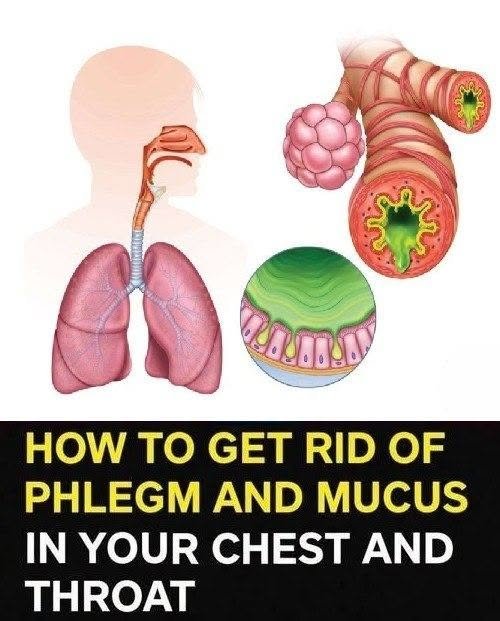
Phlegm is your body’s way of clearing the airways, so the goal is usually to thin it and help your body clear it, rather than eliminate mucus completely.
7 things you can try
-
Drink plenty of fluids 💧
Water and other non-alcoholic fluids can help keep mucus less thick. -
Try warm drinks
Warm water, tea, or broth can soothe an irritated throat. Honey can help relieve coughing in adults and children over 1 year. -
Gargle with salt water
Mix about ½ teaspoon of salt into a glass of warm water, gargle, and spit it out. -
Use saline for nasal congestion
A saline nasal spray or rinse can help when mucus is coming from the nose or sinuses and draining into the throat. For nasal irrigation, use distilled/sterile water or previously boiled and cooled water. -
Keep the air comfortably humid
A clean humidifier can help if the air is very dry. Avoid putting your face over boiling water to inhale steam because of burn risk. -
Avoid smoke and other irritants 🚭
Smoking, vaping, secondhand smoke, dust, and strong chemical fumes can increase airway irritation and mucus. -
Keep moving gently
Light walking and normal activity can help with airway clearance if you’re otherwise well.
Don’t assume green or yellow mucus means antibiotics are needed
Mucus can change color during viral infections and other inflammatory conditions. Color alone doesn’t establish a bacterial infection.
When to see a doctor
Get medical advice if the phlegm or cough lasts several weeks, keeps coming back, or is accompanied by fever, wheezing, persistent shortness of breath, chest pain, unexplained weight loss, or blood in the mucus.
Seek urgent care for severe breathing difficulty, significant chest pain, or coughing up a substantial amount of blood.
If you tell me whether the mucus is mainly in your chest or throat, its color, and how long you’ve had it, I can suggest the most appropriate approach.