How to Get Rid of Milia
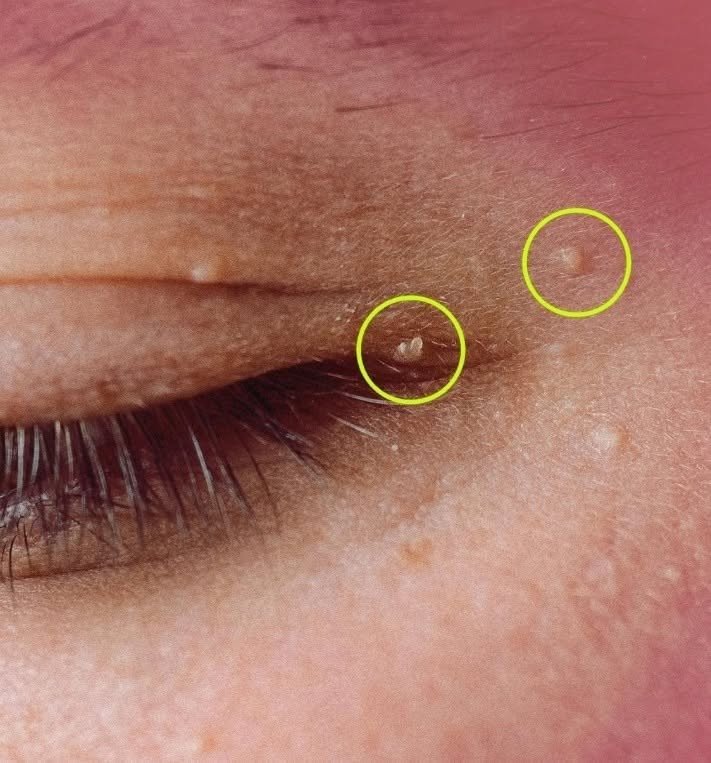
Milia are tiny, firm white or yellowish bumps caused by trapped keratin beneath the skin. They’re common around the eyes and cheeks and are not actually “fat cysts.”
What you can do
Don’t squeeze, poke, or scrape them. Unlike a typical pimple, milia don’t have a pore that can simply be squeezed open. Picking can cause infection, scarring, or discoloration.
Use gentle skincare. Wash with a mild cleanser and avoid heavy, pore-clogging products if you notice they seem to contribute to new bumps.
Consider a retinoid. Topical retinoids can help with some forms of milia, but they can irritate the skin and aren’t appropriate for everyone. Ask a dermatologist or pharmacist about the right product for you.
For quick removal, see a dermatologist. A professional can remove milia using a sterile technique. This is much safer than trying to puncture them yourself. Dermatologists emphasize that cosmetic skin procedures are safest when performed by appropriately trained professionals.
A
American Academy of Dermatology
+1
Be particularly careful around the eyes. Don’t use acids, needles, or homemade remedies close to the eyelids.
🚫 Avoid viral DIY “cures”
Toothpaste, lemon juice, baking soda, vinegar, oils, or attempting to pop the bumps can irritate or injure the skin without reliably removing the milia.
If a white bump is new, changing, painful, bleeding, or you’re not certain it’s milia, have it examined. Other skin conditions can look similar, so correct identification matters.
A
American Academy of Dermatology
Bottom line: Milia are usually harmless and don’t require treatment, but if you want them gone quickly, professional extraction is generally the safest and most predictable option.
A
Sources