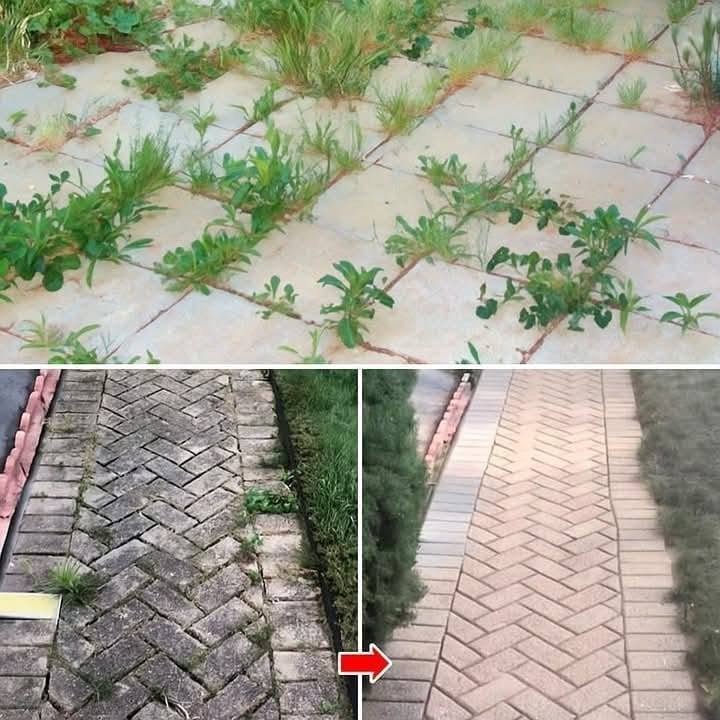
You can reduce weeds dramatically and naturally, but “eliminate weeds forever” isn’t realistic—new seeds can blow in, arrive with birds, or remain dormant in the soil.
🌱 The most effective natural approach
- Pull or dig weeds when the soil is moist. Remove as much of the root as possible, especially for perennial weeds.
- Don’t let weeds go to seed. Removing them before flowering and seed production is one of the best long-term strategies.
- Smother the soil. Cover bare ground with 2–4 inches of organic mulch such as shredded bark, wood chips, or straw. Keep mulch a little away from plant stems and tree trunks.
- Use cardboard underneath mulch for particularly weedy areas. Overlap pieces to block light, wet them thoroughly, and cover with several inches of mulch. This can suppress existing vegetation while the cardboard decomposes.
- Plant densely. Groundcovers and closely spaced garden plants shade the soil and leave fewer opportunities for weed seeds to germinate.
- Use boiling water carefully. Pouring boiling water directly onto weeds can kill the plants, especially in cracks in paths and driveways. Keep it away from desirable plants and roots, because it isn’t selective.
- Avoid disturbing the soil unnecessarily. Digging and tilling can bring dormant weed seeds to the surface, where light and warmth can trigger germination.
What about vinegar?
Household vinegar can burn the leaves of weeds, but it usually doesn’t permanently kill established perennial weeds, because their roots can survive and regrow. Stronger acetic-acid products can also injure desirable plants and are hazardous to handle.
The closest thing to “weed-free forever” is prevention: remove weeds before they seed, keep soil covered, and repeat the process consistently. Over time, the number of weeds you have to deal with can drop substantially.