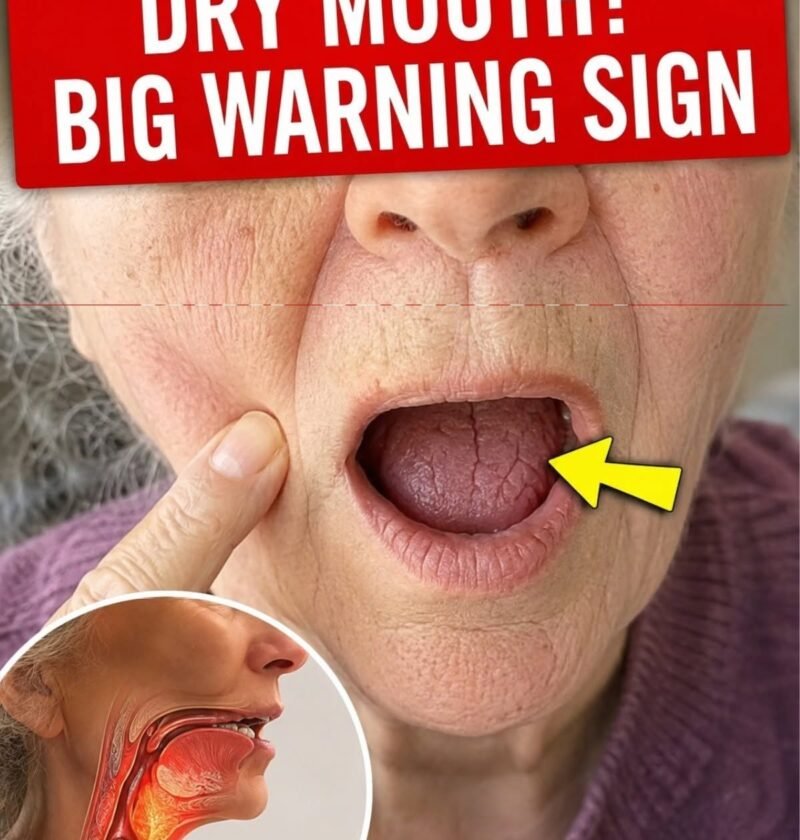
“Dry Mouth Is Not Aging — It’s Your Saliva Shutting Down” — What’s Really Happening?
That headline is misleading. Dry mouth, or xerostomia, means there isn’t enough saliva to keep the mouth comfortably moist. It does not mean your salivary glands are permanently “shutting down.” Older adults can experience dry mouth more often, but aging itself isn’t necessarily the direct cause.
Common causes
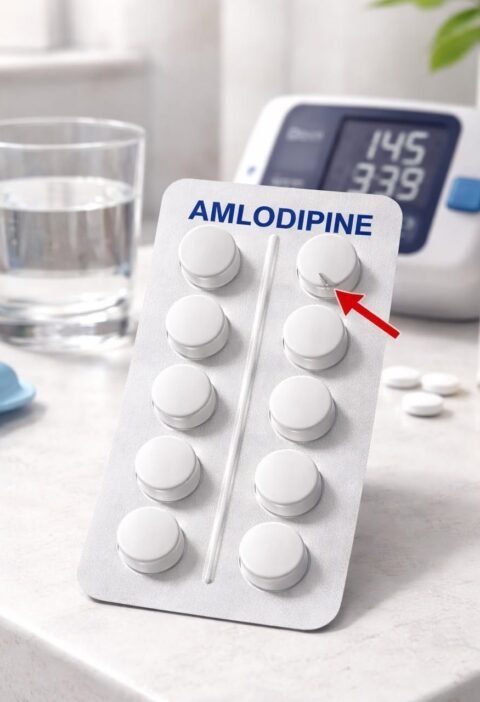
- 💊 Medications: Hundreds of medicines can cause dry mouth, including some used for high blood pressure, depression, anxiety, allergies, pain and bladder problems.
- 👄 Mouth breathing: Snoring, nasal congestion or sleeping with your mouth open can cause significant morning dryness.
- 💧 Dehydration: Not getting enough fluids can temporarily reduce saliva.
- 🩺 Medical conditions: Diabetes, Sjögren syndrome and some other illnesses can cause persistent dry mouth.
- ☢️ Cancer treatment: Radiation involving the head and neck can damage salivary glands.
Why it matters
Saliva protects your teeth and gums. Persistent dry mouth increases the risk of cavities, gum disease, mouth sores and oral yeast infections, and can make chewing, swallowing and speaking harder.
What you can do
Sip water regularly, chew sugar-free gum, consider a saliva-substitute product, avoid tobacco and excessive alcohol, and limit things that worsen dryness such as excessive caffeine. Good fluoride dental care is especially important.
If you suspect a medication is responsible, don’t stop it yourself. A doctor or pharmacist can review your medicines and sometimes adjust the dose or choose an alternative.