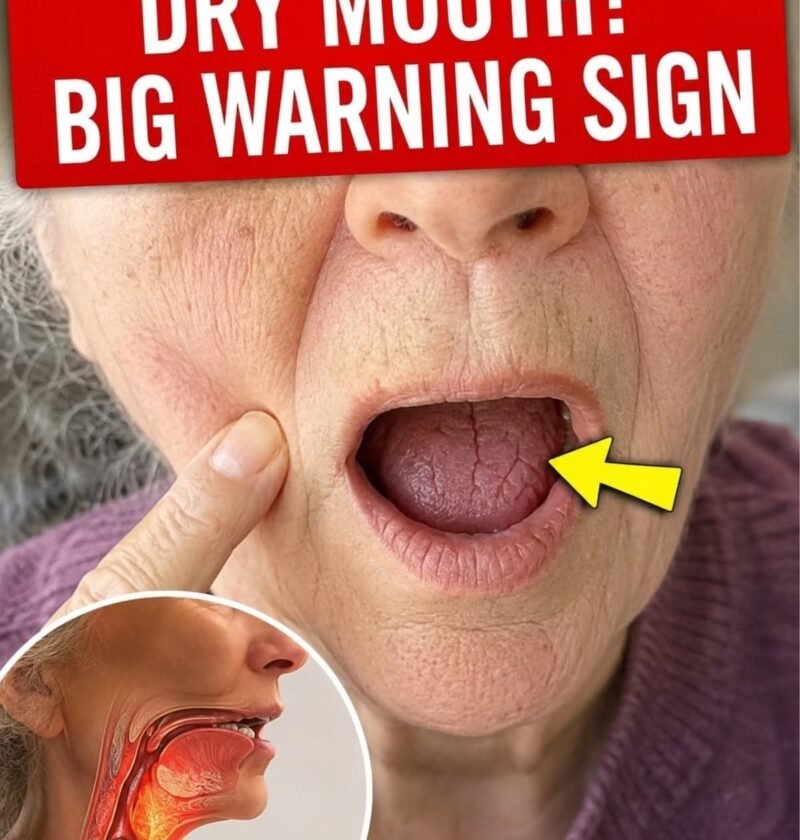
Dry mouth (xerostomia) is common with aging, but it isn’t simply an inevitable part of getting older. The more accurate explanation is that saliva production or the way the mouth feels lubricated has changed, often because of an underlying cause.
Common reasons for dry mouth
-
Medications — many medicines can reduce saliva, including some antihistamines, antidepressants, blood-pressure medicines, and diuretics.
-
Dehydration — not drinking enough fluids, vomiting, diarrhea, or excessive sweating can contribute.
-
Mouth breathing — nasal congestion or sleeping with the mouth open can make the mouth very dry.
-
Diabetes and other medical conditions can sometimes cause persistent dry mouth.
-
Radiation treatment involving the head and neck can damage salivary glands.
-
Autoimmune diseases, such as Sjögren’s disease, can reduce saliva production.
Persistent dry mouth matters because saliva protects the teeth and mouth. Reduced saliva can increase the risk of tooth decay, gum disease, mouth infections, difficulty swallowing, and problems wearing dentures.
What can help
Sip water regularly, chew sugar-free gum or use sugar-free lozenges to stimulate saliva, and avoid excessive alcohol and tobacco. Good dental care is particularly important.
If your mouth has been persistently dry for several weeks, or you have difficulty swallowing, recurrent mouth infections, significant dental problems, or very dry eyes as well, talk with a doctor or dentist. They can review your medications and look for an underlying cause.
And importantly, don’t stop a prescribed medication just because it may cause dry mouth—ask the prescriber whether an alternative or dose adjustment is appropriate.