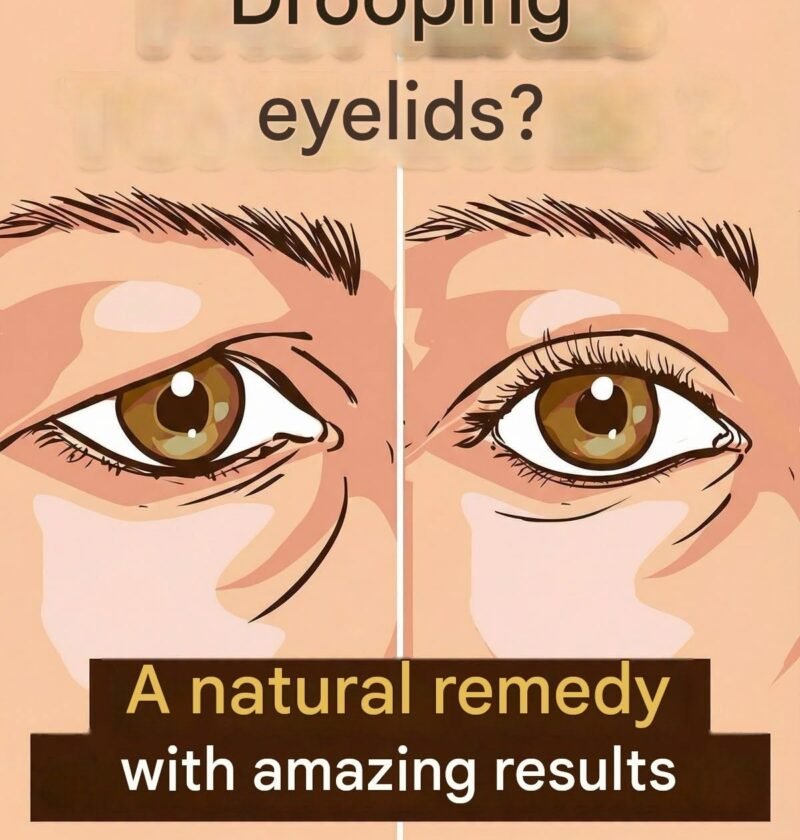
Droopy eyelids—medically known as ptosis (when the upper eyelid sags over the eye) or dermatochalasis (excess skin on the upper eyelid, often called hooded eyelids)—can make you look tired or even impact your vision. While natural remedies can help improve skin elasticity and reduce the appearance of mild sagging, severe cases require medical intervention.
Here is a guide to natural approaches, targeted exercises, and when it is time to consult a doctor.
Part 1: Natural Ways to Improve Appearance
While natural methods cannot cure structural ptosis or completely remove significant excess skin, they can help firm the surrounding skin, reduce puffiness, and support overall eye-area health.
-
Cold Compresses & Green Tea Bags:
-
Why it helps: Cold temperature constricts blood vessels, temporarily tightening the skin and reducing puffiness. Green tea is rich in antioxidants (polyphenols) and anti-inflammatory compounds that improve skin elasticity.
-
How to use: Steep two green tea bags, let them cool in the refrigerator, and place them over your closed eyes for 10 to 15 minutes.
-
-
Hydration and Diet:
-
Why it helps: Dehydration causes skin to lose its plumpness and elasticity. Eating foods rich in antioxidants, Vitamin C, and Vitamin E (such as berries, citrus fruits, nuts, and leafy greens) supports collagen production, which keeps the skin firm.
-
-
Targeted Facial Exercises (Face Yoga):
-
Why it helps: Strengthening the muscles around the eyes (the orbicularis oculi) and forehead can provide mild lifting support.
-
How to try: Place your index fingers just under your eyebrows, gently push your brows upward, and try to close your eyes against the resistance. Hold for 5 seconds, repeat 10 times daily.
-
-
Quality Sleep and Elevation:
-
Why it helps: Fluid retention from poor sleep or sleeping flat can cause morning eyelid swelling, stretching the delicate skin over time. Elevate your head slightly with an extra pillow at night to prevent fluid buildup.
-
Note on Topical Creams: Over-the-counter firming creams containing peptides, caffeine, or hyaluronic acid can temporarily hydrate and tighten the surface skin, but they offer only superficial, short-term improvements.
Part 2: When to See a Doctor
It is crucial to determine why your eyelids are drooping. If the sagging is caused by stretched skin (dermatochalasis), it is primarily cosmetic. However, if it is true ptosis (weakness in the muscle that lifts the eyelid), it can signal an underlying medical condition.
Schedule an appointment with an eye doctor (optometrist or ophthalmologist) if you notice:
-
Vision Obstruction: The eyelid droops far enough to block your upper or central field of vision, forcing you to tilt your head back to see clearly.
-
Sudden Onset: If a droopy eyelid appears abruptly (over the course of hours or days), this can be a medical emergency. Sudden ptosis can indicate a stroke, aneurysm, or nerve damage.
-
Accompanying Neurological Symptoms: Seek immediate medical attention if the drooping is accompanied by double vision, weakness in your limbs, slurred speech, severe headaches, or numbness.
-
Pain or Inflammation: Redness, pain, swelling, or discharge around the eyelid could indicate an infection or inflammation that requires prescription medication.
Summary Treatment Options
If natural methods aren’t giving you the results you want, medical aesthetics and functional procedures offer long-lasting solutions:
Would you like to explore specific facial exercises or discuss what might be causing your eyelid changes?