Common Causes
-
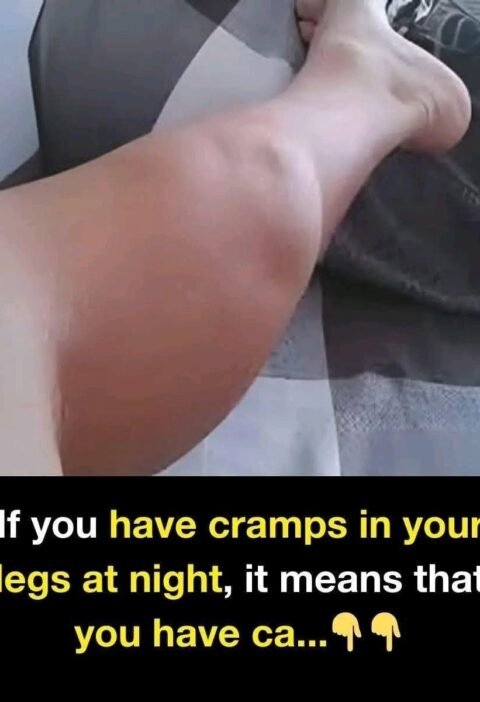
Muscle fatigue or inactivity: Overworking leg muscles during the day, standing on hard surfaces for hours, or sitting for long periods with shortened calf muscles.
-
Dehydration and electrolyte shifts: Low fluid intake or imbalances in magnesium, potassium, calcium, or sodium (often after heavy sweating or hot weather).
-
Medications: Certain drugs trigger cramps as a side effect—especially diuretics (“water pills”), statins, blood pressure medications, and some asthma inhalers (long-acting beta-agonists).
-
Pregnancy: Increased weight, pressure on leg nerves/blood vessels, and shifts in mineral demand make nighttime cramps common in the second and third trimesters.
-
Underlying medical conditions: Peripheral artery disease (poor circulation), peripheral neuropathy, lumbar spinal stenosis (nerve compression in the lower back), thyroid disorders, or kidney/liver disease.
How to Stop a Cramp Fast
-
Stretch the muscle immediately: For a calf cramp, straighten your leg and pull your toes and foot upward toward your shin (dorsiflexion), or stand up and press your weight onto the cramped foot.
-
Massage the knot: Rub the tight muscle firmly with your hands to encourage blood flow and release the spasm.
-
Apply heat or cold: A warm towel or heating pad relaxes tight muscle fibers; an ice pack helps if soreness lingers afterward.
-
Walk gently: Once the sharpest pain eases, walking slowly around the room helps reset the muscle reflex.
Daily Prevention Habits
-
Stretch before bed: Do 30–60 seconds of gentle calf and hamstring stretches against a wall before sleeping.
-
Stay hydrated: Drink fluids steadily throughout the day, especially in warm climates or after exercise.
-
Loosen tight bedding: Heavy, tightly tucked sheets can push toes downward while you sleep, shortening calf muscles and triggering cramps.
-
Wear supportive footwear: Well-cushioned shoes during the day reduce lower-leg strain.
When to See a Doctor
-
Cramps happen several nights a week or regularly disrupt your sleep.
-
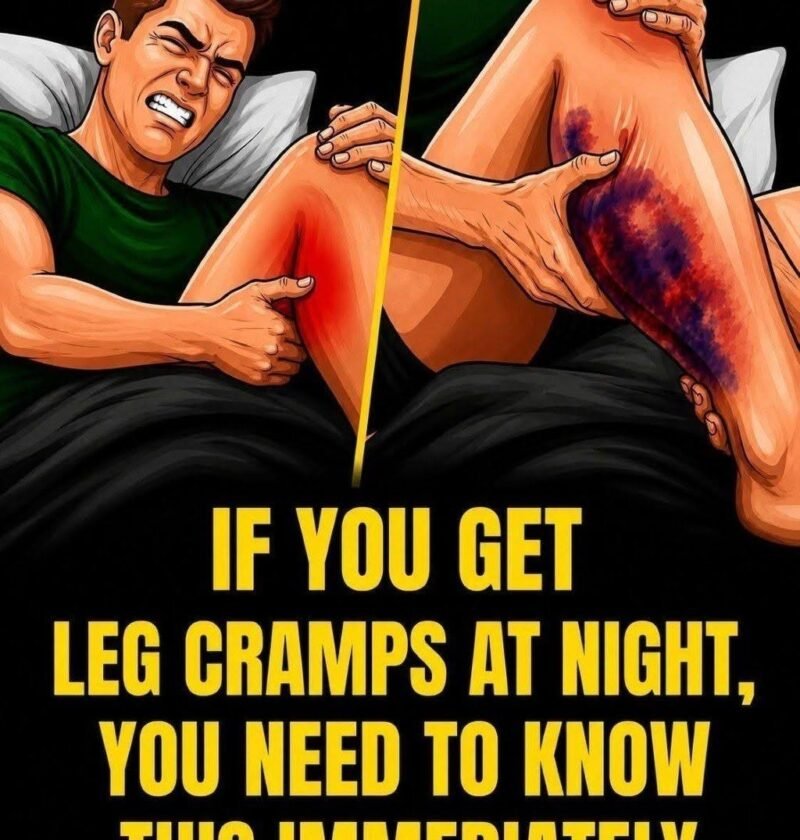
You notice leg swelling, redness, warmth, or skin color changes.
-
Cramps come with muscle weakness, numbness, tingling, or lower back pain.
-
Pain occurs while walking and improves when you stop and rest (a possible sign of circulation issues rather than typical nighttime cramps).