Blog

Lou Gehrig’s syndrome: Here are the first symptoms of this disease

Lou Gehrig’s disease—medically known as amyotrophic lateral sclerosis (ALS)—is a rare, progressive neurological disorder that affects motor neurons (the nerve cells in the brain and spinal cord that control voluntary muscles). Because early symptoms start subtly and resemble many far more common nerve, joint, or muscle conditions, clickbait headlines can cause unnecessary alarm—though recognizing persistent, painless weakness matters for getting an accurate neurological evaluation.

Common Early Symptoms of ALS

Early signs usually begin asymmetrically (often in one hand, arm, leg, or the muscles used for speaking and swallowing) and gradually worsen over weeks to months:
  • Distal limb weakness or clumsiness: Tripping or stumbling more often, foot drop (difficulty lifting the front part of the foot), or trouble with fine hand tasks like buttoning a shirt, turning a key, or holding a cup.

  • Muscle twitching () and cramps: Frequent muscle twitches or tightness—most often in the arms, legs, shoulders, or tongue—especially when paired with weakness.

  • Slurred or nasal speech (): Words sounding thick, slowed, or strained, or the voice changing pitch or projection.

  • Difficulty chewing or swallowing (): Taking longer to eat, coughing during meals, or excess saliva pooling.

  • Visible muscle thinning (): Noticing a hand, forearm, shoulder, or calf looking smaller or flatter than the opposite side.

Important Context: What ALS Usually Does Not Cause Early On

  • Isolated muscle twitching without weakness is rarely ALS: Benign muscle twitches happen frequently from caffeine, stress, fatigue, dehydration, or vigorous exercise.

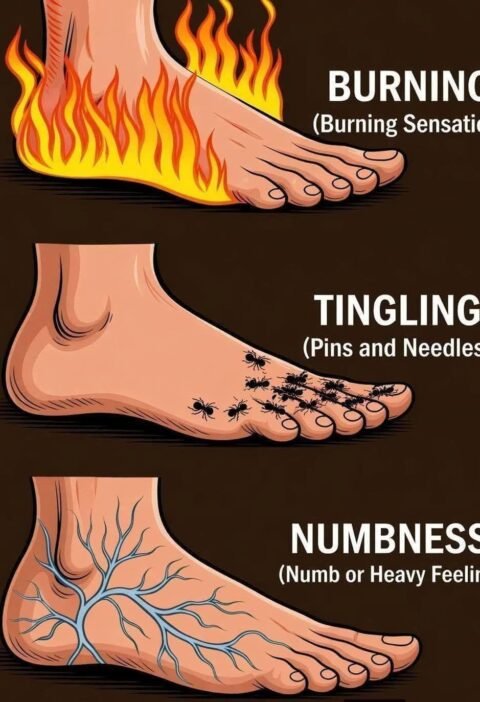
  • Sensory nerves and bladder control are typically spared early: ALS primarily affects motor control—it usually does not start with numbness, pins-and-needles, or severe pain (those point more toward pinched nerves, neuropathy, or spine issues).


When to See a Doctor

Schedule a medical or neurology evaluation if you notice persistent, progressive muscle weakness, unexplained clumsiness, shrinking muscle bulk, or ongoing slurred speech and swallowing trouble that lasts beyond a few weeks rather than fluctuating day to day. Seek urgent care if weakness or slurred speech appears suddenly (within minutes or hours), which is a medical emergency such as a stroke rather than ALS.

Leave a Reply

Your email address will not be published. Required fields are marked *