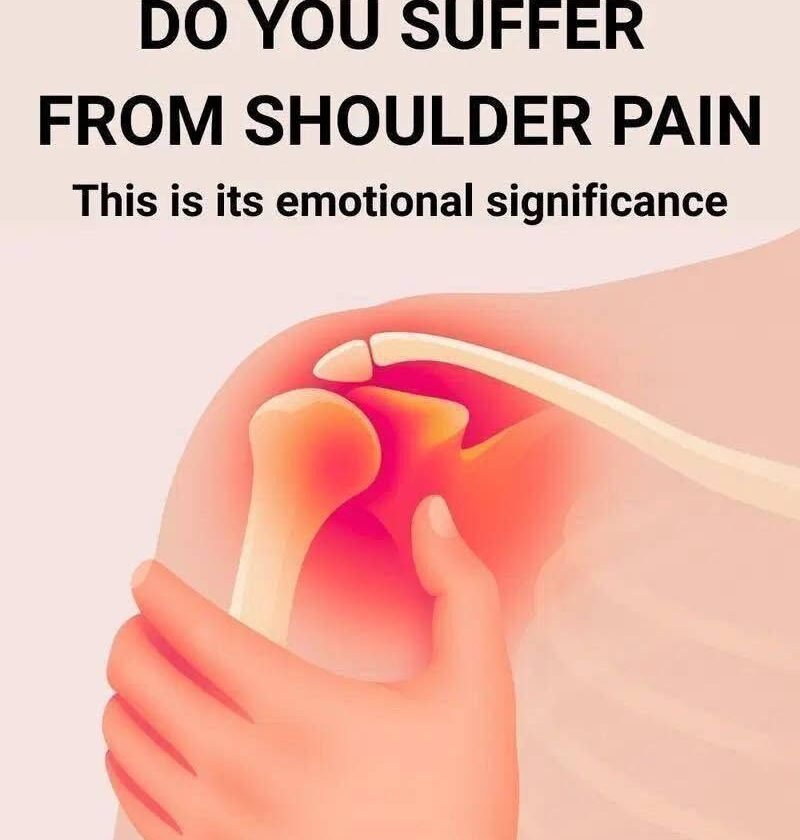
If you’re fact-checking “Does your shoulder hurt? Here’s what it means emotionally,” the emotional explanation should be treated cautiously.
There is no reliable medical evidence that a particular shoulder pain location represents a specific suppressed emotion—for example, that the right shoulder means responsibility or the left shoulder means grief.
However, there is a legitimate connection between emotional health and physical pain. Stress can cause muscle tension and pain, and stress, poor sleep, low mood, or fatigue can make existing shoulder pain feel worse.
N
nhs.uk
+1
More common physical causes include muscle or tendon strain, bursitis, rotator-cuff problems, frozen shoulder, arthritis, nerve irritation, or an injury.
M
Mayo Clinic
+1
Don’t overlook warning signs
Shoulder pain accompanied by chest pressure/pain, shortness of breath, sweating, dizziness, or pain spreading into the arm, back, neck, or jaw can be a sign of a heart attack and requires emergency medical attention.
M
Mayo Clinic
+1
Bottom line: Your emotional state can influence shoulder pain, but shoulder pain cannot reliably tell you which emotion you’re “holding onto.” Persistent, worsening, or movement-limiting pain deserves a proper medical assessment.
N
M
Sources