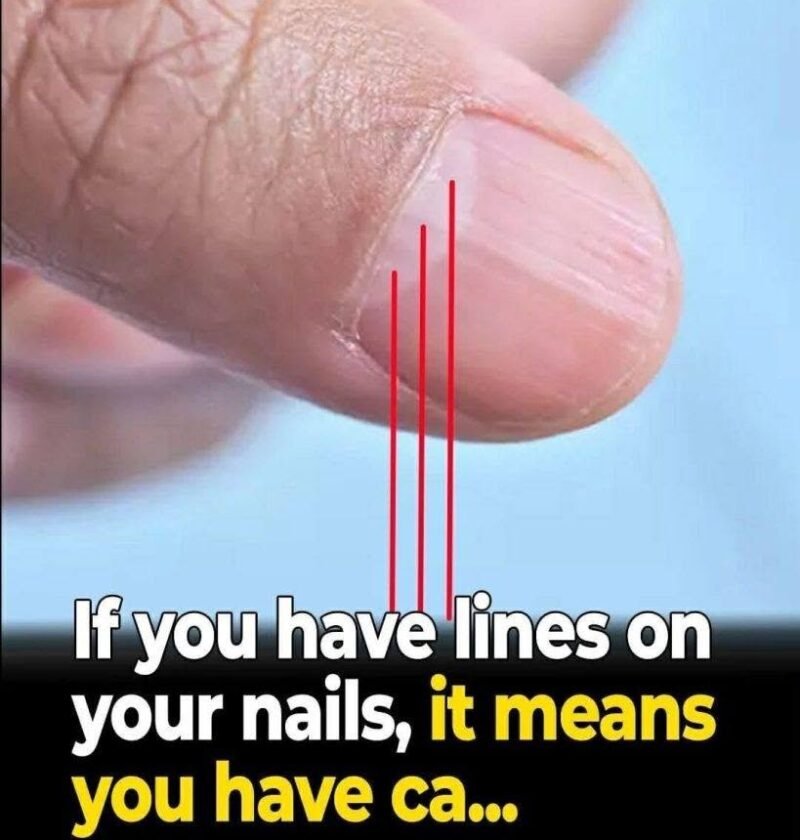
The “telltale sign” refers to a concept highlighted by longevity researchers (including Harvard genetics professor Dr. David Sinclair) regarding **fingernail growth rate**.
While it doesn’t offer an exact expiration date for your life, tracking how fast your nails grow can serve as an interesting outward window into your body’s **cellular regeneration and biological aging**.
### The Science Behind the Claim
* **The Growth Decline:** Scientists have long observed that human fingernail growth is not static. Research dating back decades (such as a notable 1979 study) noted that the linear growth rate of fingernails gradually slows down as people age—dropping by roughly **0.5% per year after age 30** (or roughly a 50% decrease over a standard human lifetime).
* **Cellular Turnover:** Nails are made of keratin, a protein produced by rapidly dividing cells. Because nail growth relies on robust cellular division, good blood circulation, and efficient metabolic function, a faster growth rate generally indicates a body with higher regenerative capacity and a slower biological aging clock. Conversely, a sharp slowdown can mirror the body’s declining metabolic efficiency and cellular turnover.
### Other Nail Changes That Matter for Health
Beyond the speed of growth, doctors frequently look at the physical appearance and structure of nails as diagnostic clues for underlying systemic health:
* **Nail Clubbing (Curved, thickened nails):** When the tips of the fingers widen and nails curve downward, it can sometimes be a sign of chronic low blood-oxygen levels, which are frequently linked to serious pulmonary or cardiovascular conditions.
* **Brittle, Thin, or Slow-Growing Nails:** These can point toward localized issues, poor circulation, or nutritional and iron deficiencies (like anemia).
* **Discoloration or Spots:** Dark streaks, sudden white spots, or yellowing can occasionally indicate everything from minor dietary gaps to more serious concerns like fungal infections or subungual melanoma.
While monitoring how often you need a nail clipper is a fascinating casual metric for cellular vitality, it is ultimately just one minor piece of a much larger longevity puzzle governed by overall lifestyle, genetics, and preventative health care.