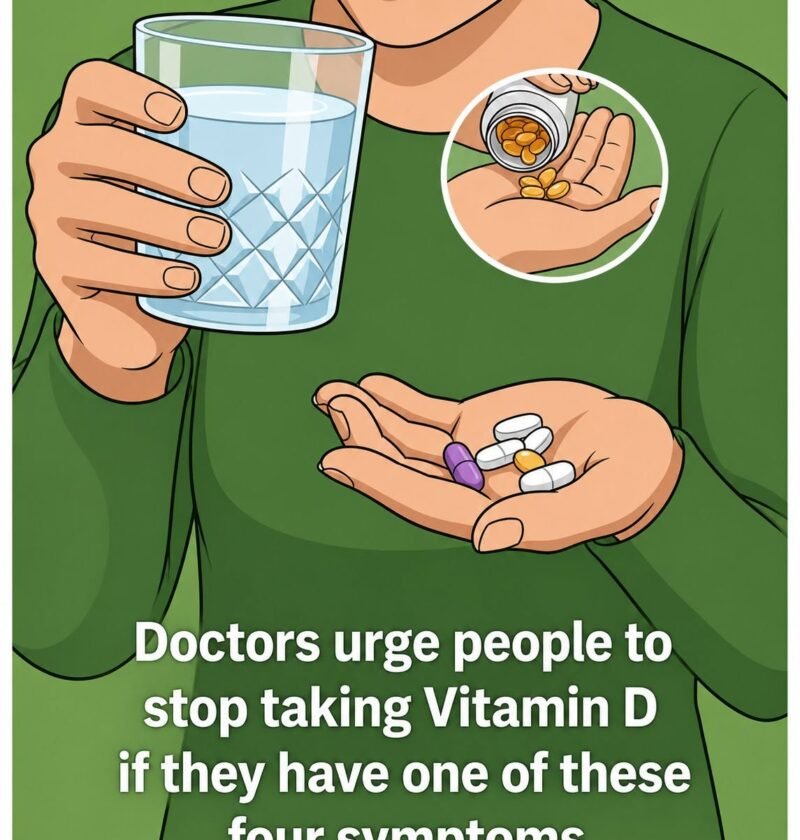
While vitamin D is essential for bone health, immunity, and overall well-being, taking excessive amounts (usually through high-dose supplements over a prolonged period) can lead to a condition called vitamin D toxicity (hypervitaminosis D).
Vitamin D is a fat-soluble vitamin, meaning your body stores excess amounts rather than flushing them out. When levels become too high, it triggers a dangerous buildup of calcium in your bloodstream (hypercalcemia).
Doctors and health guidelines typically warn people to stop taking vitamin D supplements and seek medical evaluation if they experience these key red-flag symptoms:
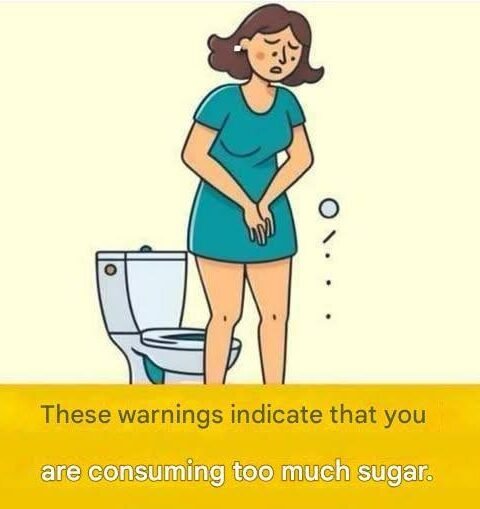
1. Frequent Thirst and Excessive Urination (Polydipsia and Polyuria)
-
Why it happens: When your blood calcium levels spike due to vitamin D toxicity, your kidneys have to work overtime to filter and flush out the excess calcium. This process forces your body to pull water from tissues, leading to constant, unquenchable thirst and frequent trips to the bathroom.
2. Nausea, Vomiting, Persistent Burping, or Poor Appetite
-
Why it happens: Excess calcium in the blood (hypercalcemia) heavily impacts the gastrointestinal tract. It can cause persistent queasiness, an upset or “sour” stomach, frequent burping, vomiting, and a sudden loss of appetite.
3. Muscle Weakness, Fatigue, or Bone Pain
-
Why it happens: While normal vitamin D levels support muscles, an overload disrupts the normal concentration of calcium in the blood and can interfere with proper muscle contraction and nerve signaling. This leaves you feeling unusually weak, sluggish, fatigued, or aching without a clear physical cause.
4. Frequent Stomach Pain, Constipation, or Diarrhea
-
Why it happens: Just like nausea, general digestive distress—ranging from severe constipation to abdominal cramps or diarrhea—is a common hallmark of high calcium levels disrupting normal gut motility.
What You Should Do
If you are experiencing these symptoms and regularly take vitamin D supplements (especially high-dose or prescription-strength formulas), stop taking them immediately and consult a healthcare provider.
A doctor can easily check your blood levels (both 25-hydroxyvitamin D and serum calcium) to determine if toxicity is the cause and safely guide your recovery. Do not start or restart high-dose supplementation without medical supervision.