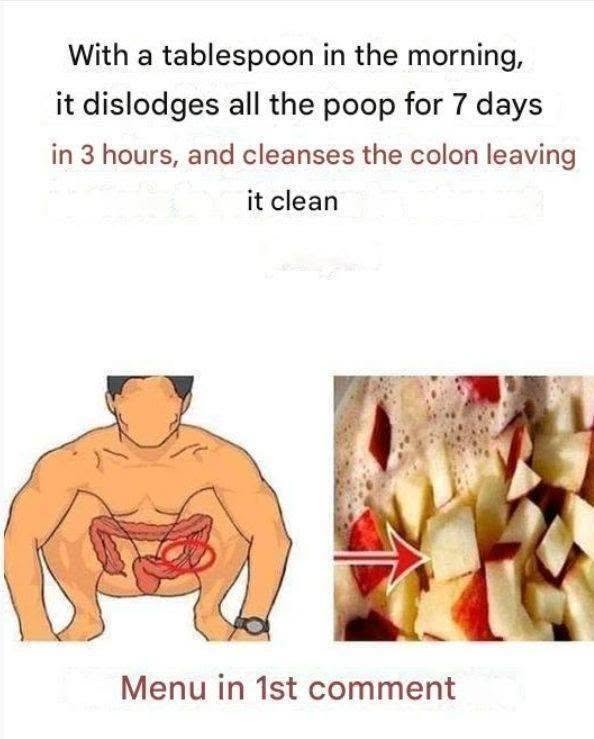
If you’re looking for the three natural approaches a dietitian would commonly recommend for constipation, the evidence-based options are fairly straightforward. They help by increasing stool bulk, retaining water in the stool, or stimulating bowel movement.
1. Increase fiber gradually 🌾
Fiber can make stools softer and easier to pass, particularly when combined with enough fluid.
Good choices include:
Prunes or other dried fruit
Kiwi
Pears, berries, and apples
Oats and whole grains
Lentils, beans, and chickpeas
Vegetables and ground flaxseed
Increase fiber gradually rather than suddenly, because a large increase can cause gas and bloating.
2. Drink enough fluids 💧
Adequate fluid intake helps prevent stools from becoming hard and dry. Water is the simplest choice.
If you’re increasing your fiber intake, fluid becomes particularly important. However, drinking huge quantities of water isn’t a treatment for constipation and can be dangerous in some medical conditions.
3. Get your body moving 🚶
Regular physical activity can stimulate intestinal movement. Even a daily walk may help, especially if you spend much of the day sitting.
A useful routine is to walk after a meal and give yourself enough uninterrupted time to use the bathroom rather than repeatedly ignoring the urge.
A particularly useful food: prunes
Prunes are somewhat better supported than many viral “natural constipation cures.” They provide fiber and contain sorbitol, a naturally occurring sugar alcohol that draws water into the bowel and can help stool passage.
If constipation is new, persistent, severe, or accompanied by blood in the stool, unexplained weight loss, vomiting, severe abdominal pain, fever, or inability to pass gas, don’t rely on home remedies—get medical advice.