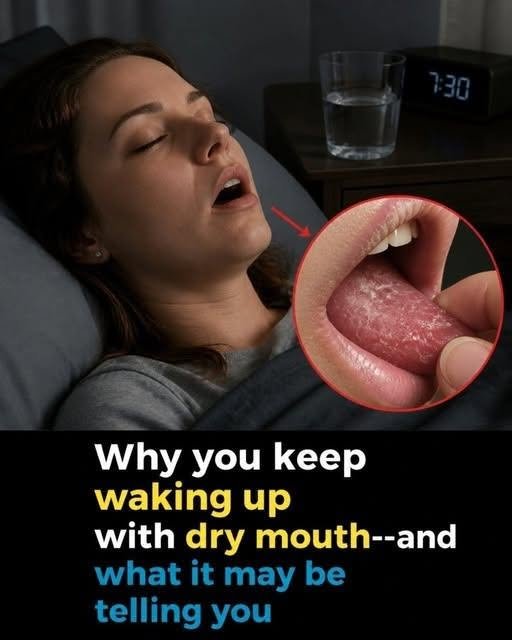
- Chronic Mouth Breathing: Sleeping with your mouth open—due to nasal congestion, allergies, a deviated septum, or snoring—allows air to constantly pass over your oral mucosa, rapidly evaporating moisture.
-
Obstructive Sleep Apnea (OSA): Frequent pauses in breathing throughout the night force erratic airflow and chronic mouth breathing, which is heavily linked to severe morning dryness.
-
Overall Dehydration: Failing to consume enough fluids during the day, or losing fluids due to intense exercise or a hot bedroom environment, leaves your body with insufficient water to manufacture normal overnight saliva.
-
Late-Night Alcohol or Caffeine: Consuming alcohol, coffee, or caffeinated teas close to bedtime acts as a diuretic, accelerating fluid loss and significantly reducing saliva flow.
-
Medication Side Effects: Hundreds of common prescriptions and over-the-counter drugs—especially antihistamines, blood pressure medications, antidepressants, and decongestants—actively suppress salivary gland output.
-
Dry Indoor Air: Sleeping in a room with forced-air heating, air conditioning, or low ambient humidity strips moisture from the air you inhale.
-
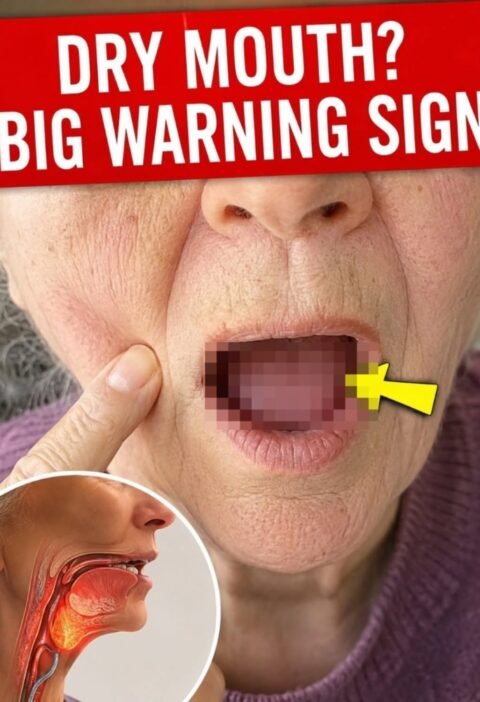
Underlying Health Conditions: Persistent, unmanaged dry mouth can occasionally signal systemic issues like type 2 diabetes or autoimmune disorders such as Sjögren’s syndrome.