Common Mistakes That Affect Balance in Older Adults
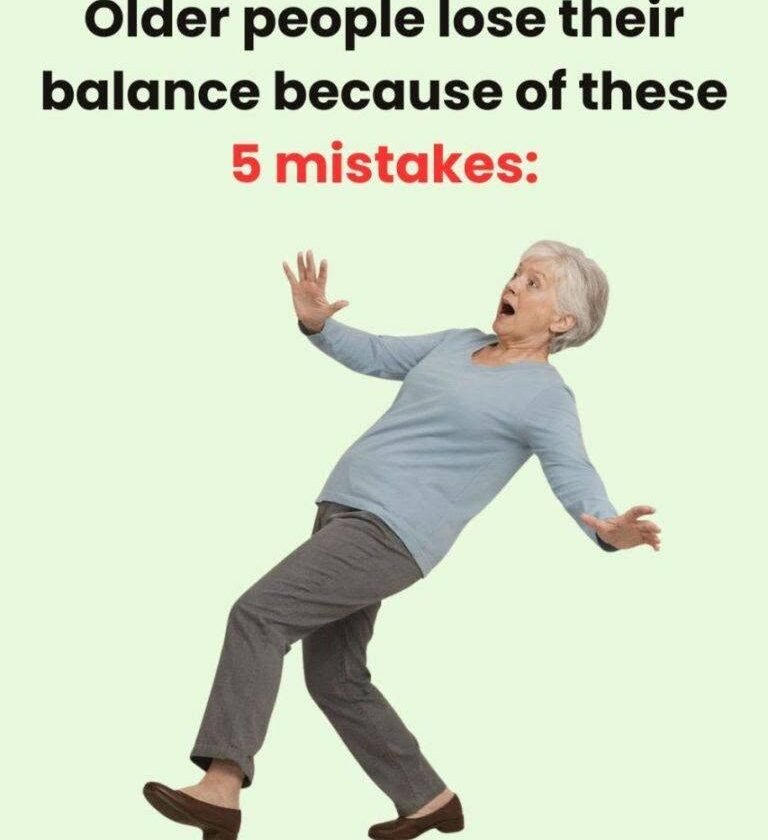
Balance problems aren’t an inevitable part of aging. They can result from a combination of muscle weakness, vision problems, medications, medical conditions, unsafe footwear, and hazards around the home.
1. Becoming too inactive
Avoiding activity because of fear of falling can actually make strength and balance worse. Regular strength and balance exercises, including appropriately supervised exercises such as tai chi, can help.
2. Ignoring dizziness
Repeated dizziness, vertigo, or feeling unsteady deserves medical attention. Causes can include medication effects, inner-ear problems, blood-pressure changes, and other medical conditions.
3. Not reviewing medications
Some prescription and over-the-counter medicines can cause drowsiness, dizziness, or confusion, increasing fall risk. Don’t stop medications yourself; ask a doctor or pharmacist to review them.
4. Wearing unsafe footwear
Backless slippers, smooth soles, high heels, or poorly fitting shoes can make walking less stable. Properly fitting, nonslip footwear is a safer choice.
5. Neglecting eyesight
Poor vision can make obstacles, steps, and changes in flooring harder to detect. Regular eye examinations and keeping prescriptions up to date can reduce risk.
6. Getting up too quickly
A sudden drop in blood pressure after standing can cause lightheadedness and unsteadiness. Stand up slowly, especially after lying down or sitting for a long time.
7. Leaving trip hazards around the house
Loose rugs, clutter, electrical cords, wet floors, and poor lighting are common preventable hazards. Better lighting and clear walking paths can make a significant difference.
8. Trying to “push through” worsening weakness
Declining leg strength can affect walking, getting out of a chair, and recovering from a stumble. A clinician or physical therapist can assess strength, gait, and balance and recommend appropriate exercises or an assistive device.
When to seek medical advice
If balance problems are new, persistent, worsening, or accompanied by repeated falls, fainting, severe dizziness, weakness, numbness, vision changes, or difficulty walking, arrange a medical evaluation. Sudden neurological symptoms require urgent assessment.
Bottom line: The biggest mistake is treating loss of balance as something you simply have to accept with age. Strength and balance training, medication review, vision care, safe footwear, and a safer home can all reduce fall risk.