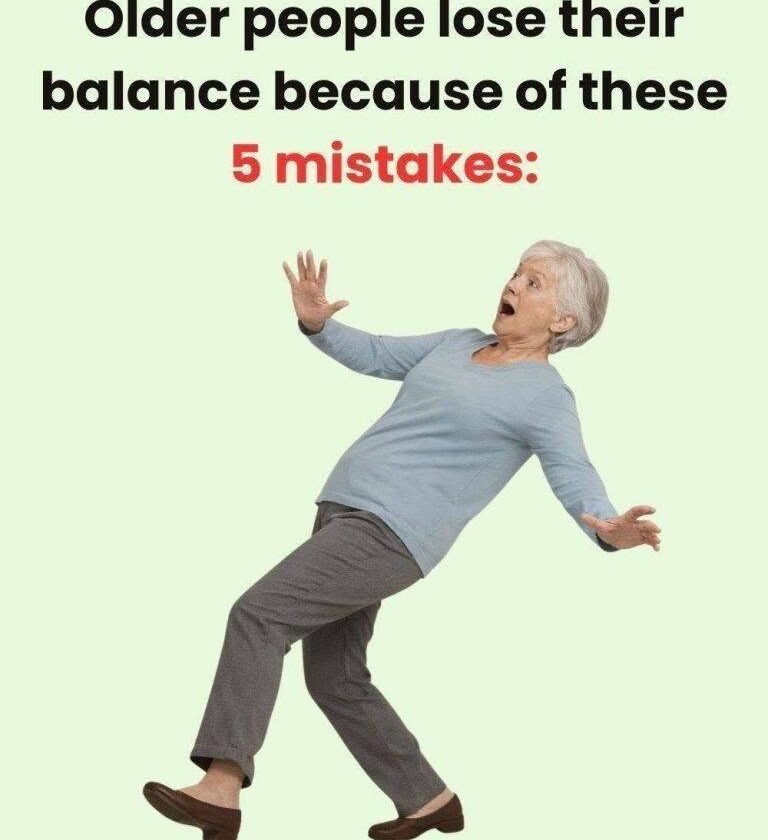
Common Mistakes That Can Affect Balance in Older Adults
Balance often changes with age, but falls are not an inevitable part of getting older. Certain everyday habits and overlooked health issues can increase the risk of losing balance.
-
Staying inactive — Weak leg and core muscles can make it harder to recover from a stumble. Regular strength and balance exercises can help.
-
Ignoring vision problems — Poor vision makes obstacles and changes in the ground harder to detect. Regular eye checks are important.
-
Wearing unsafe footwear — Loose slippers, worn-out soles, or high heels can increase the risk of slipping or tripping.
-
Standing up too quickly — A sudden drop in blood pressure can cause dizziness or unsteadiness, particularly after sitting or lying down.
-
Taking medications without reviewing their effects — Some medicines can cause dizziness, drowsiness, or low blood pressure. Ask a doctor or pharmacist to review your medications rather than stopping them yourself.
-
Ignoring hearing or inner-ear problems — The vestibular system helps control balance, and certain ear conditions can cause dizziness or instability.
-
Not getting enough nutrition or fluids — Dehydration and inadequate nutrition can contribute to weakness and dizziness.
-
Using rugs and cluttered walkways — Loose carpets, electrical cords, and objects on the floor are common trip hazards.
-
Relying on furniture for support — Regularly grabbing walls or furniture may indicate that balance needs assessment rather than being something to simply accept.
-
Ignoring repeated falls or near-falls — These can be an early sign of a medical, neurological, vision, medication-related, or musculoskeletal problem.
A simple way to improve balance
If medically appropriate, incorporate walking, leg-strengthening exercises, and balance activities into your routine. Tai chi and structured balance exercises can also be useful.
If an older adult develops sudden loss of balance, severe dizziness, weakness on one side, facial drooping, difficulty speaking, or a sudden severe headache, seek emergency medical care—these can be signs of a stroke.