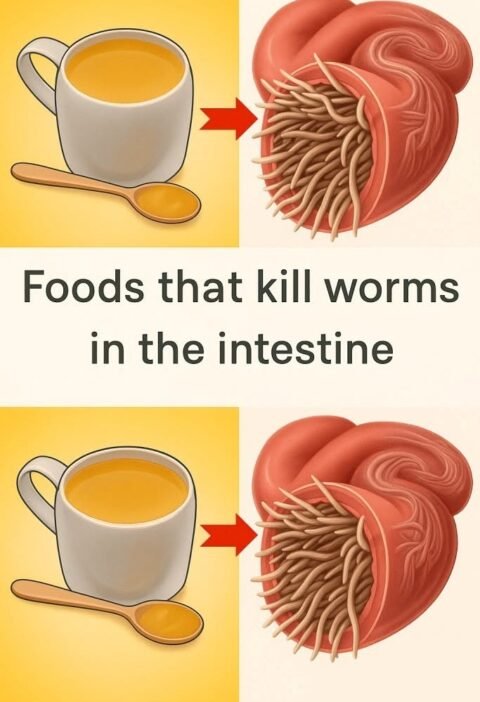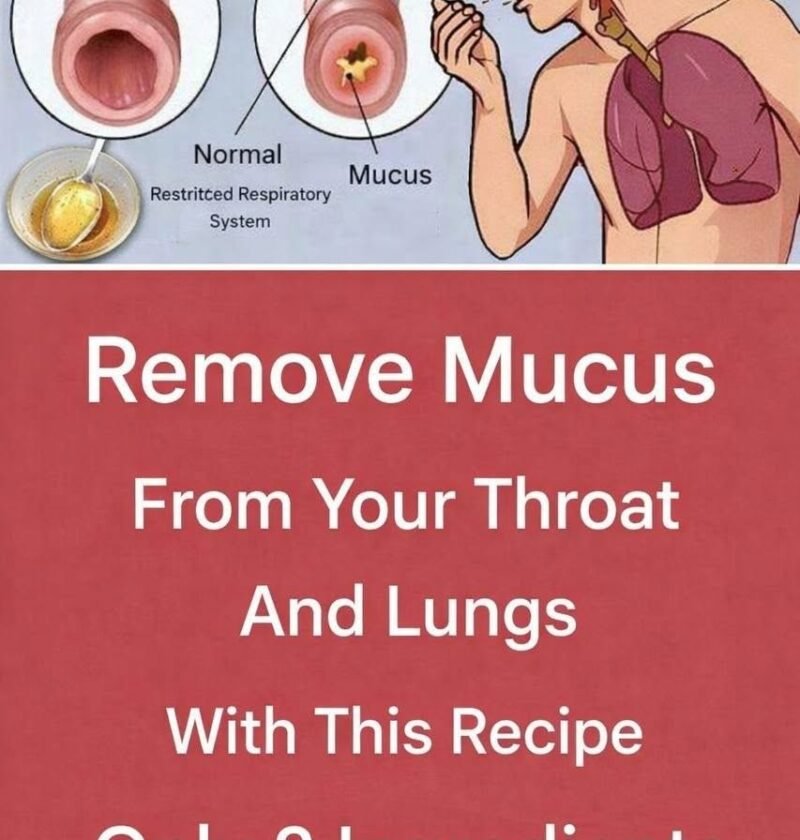
While viral videos and online remedies often promise quick fixes—such as a magical two-ingredient mixture to instantly “clear mucus from the lungs”—the reality of how the human respiratory system works is a bit different.
### Can a Two-Ingredient Drink Clear Your Lungs?
No food, drink, or natural remedy can physically reach inside your lower lungs to dissolve or “wash away” mucus.
When you experience chest congestion or phlegm, it is actually produced in your lower airways by your respiratory lining. To clear it, your body relies on the **mucociliary escalator**—a microscopic system of tiny hair-like structures (cilia) that push mucus upward—and the act of coughing.
However, certain simple combinations (like **warm water with honey and lemon** or **ginger tea**) can provide genuine symptomatic relief:
* **Hydration and Warmth:** Drinking warm liquids helps thin mucus secretions, making them easier to cough up naturally.
* **Throat Soothing:** Honey helps coat and calm an irritated throat, which reduces the urge to hack unproductively.
—
### Safe and Effective Ways to Manage Mucus
If you are dealing with bothersome congestion or phlegm, evidence-backed strategies can help your body clear it out more comfortably:
* **Stay Well-Hydrated:** Drinking plenty of water is one of the most effective natural thinners for mucus throughout your airways.
* **Inhale Steam:** Taking a hot shower or breathing in steam from a bowl of warm water adds moisture to your nasal passages and upper airways, loosening trapped phlegm.
* **Gargle with Warm Salt Water:** This helps break down mucus in the back of the throat and provides localized relief for irritation.
* **Controlled Breathing & Coughing:** Techniques like “huff coughing” (exhaling sharply while making a “ha” sound instead of a hard, harsh cough) can effectively help move mucus up from the chest without straining your throat.
*Note: Persistent chest congestion, thick discolored phlegm, shortness of breath, or a cough lasting more than a few weeks should be evaluated by a healthcare professional to rule out underlying infections or conditions.*
Are you currently dealing with a cough, chest congestion, or other cold symptoms?